culture
Warsaw's Galleries Transform City Into Central Europe's Contemporary Arts Hub
From the revitalized galleries of Praga to the architectural ambition of the city center, Warsaw is cementing its position as a central European powerhouse for contemporary arts.
How we reported this
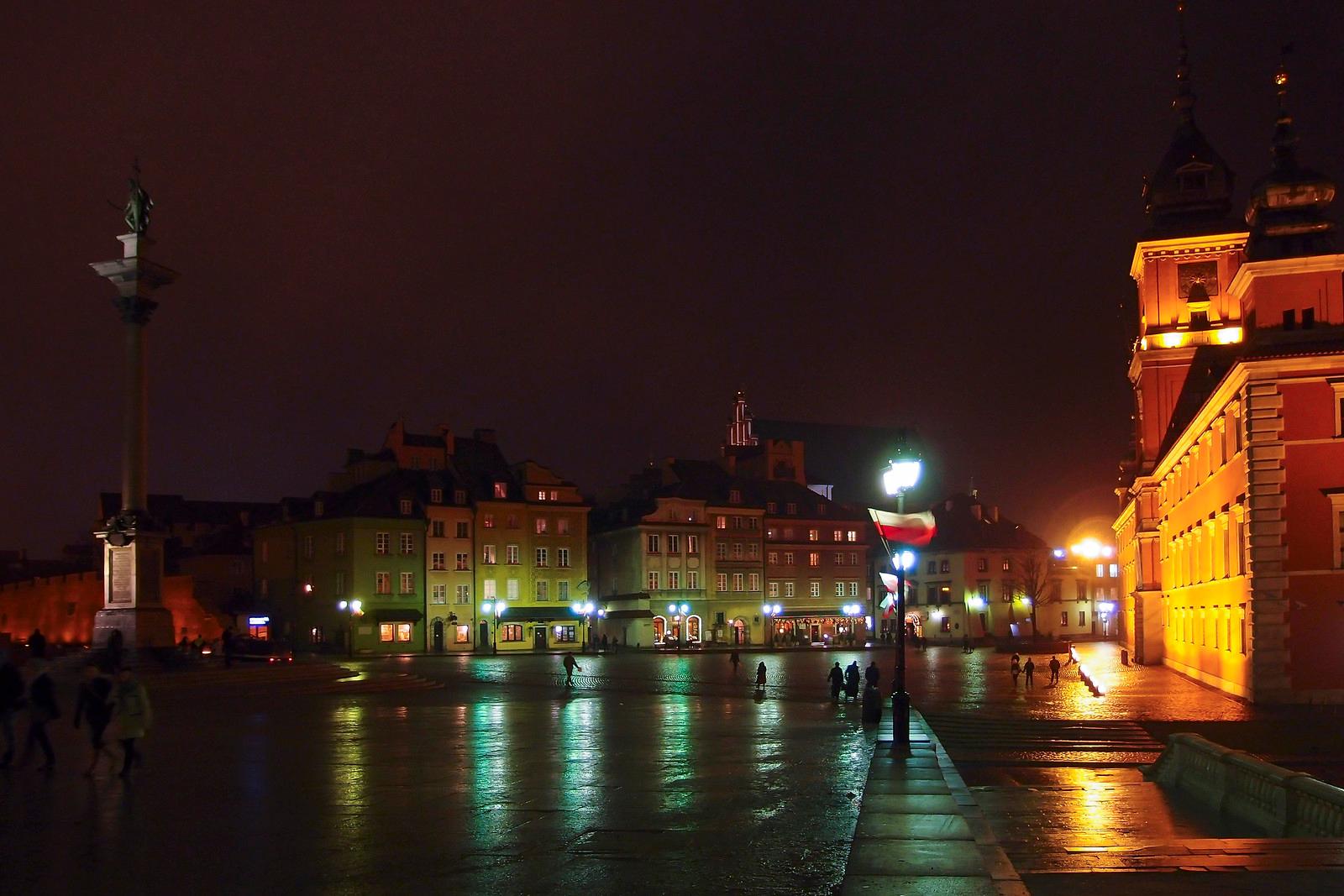
Warsaw is currently experiencing a profound shift in its cultural footprint, marked by the rapid maturation of its museum sector and the growing influence of grassroots gallery districts. This evolution is reshaping how residents and international visitors engage with the city, moving beyond the historical narrative of reconstruction to a bold assertion of contemporary artistic identity. The concentration of new programming in areas like the northern Praga district and the modernized center of Śródmieście suggests that Warsaw is not merely reflecting European art trends but actively setting them.
The Pivot to Contemporary Spaces
The cultural gravity of the city has moved toward venues that prioritize cross-disciplinary experimentation. The Museum of Modern Art in Warsaw, currently operating in its expansive new facility near the Palace of Culture and Science, has become the anchor for this identity. By bridging the gap between archival history and avant-garde installation work, the institution provides a necessary anchor for the city's creative class. Similarly, the Zachęta National Gallery of Art continues to serve as a critical site for public discourse, hosting exhibitions that interrogate the complexities of Polish social life and historical memory.
These institutions are increasingly working in tandem with independent spaces in Praga, a district once defined by industrial architecture that now houses a high density of artist-run studios and experimental galleries. The revitalization of these brick-and-mortar spaces has provided a tangible home for the city’s burgeoning multimedia art scene. This shift represents a move away from traditional museum-only models toward a fluid ecosystem where established national galleries and independent, street-level studios feed off one another's energy.
Data and the City’s Creative Reach
Evidence of this transformation is reflected in the increased engagement metrics reported by city-led cultural initiatives. According to the 2025 Warsaw Cultural Monitoring Report, public participation in municipal museum programs grew by a significant margin compared to the preceding three-year period. This surge is mirrored by financial commitments; the city’s budget for cultural institutions has seen a steady upward trend since 2023, reflecting a prioritization of creative infrastructure as a key economic and social driver. Admission fees for major galleries remain highly competitive, with standard full-price tickets averaging approximately 30 to 45 PLN, ensuring that access to high-level cultural programming remains a mainstay of the city’s public life.
For those looking to engage with Warsaw’s evolving identity, the summer season offers the most accessible entry point to the city’s current artistic output. Visitors should focus on the weekend walking routes that connect the Aleje Jerozolimskie corridor with the emerging creative clusters in Praga-Północ. As exhibitions transition through the end of July and August, local galleries often host late-night viewing sessions, providing an informal setting for the public to interact with curators and emerging Polish artists.