lifestyle
Warsaw's Top Attractions Blend Historic Sites With Modern Creative Energy
Warsaw has reinvented itself into one of Central Europe's most dynamic cities, blending a stirring wartime history with a booming creative scene and vibrant nightlife.
How we reported this
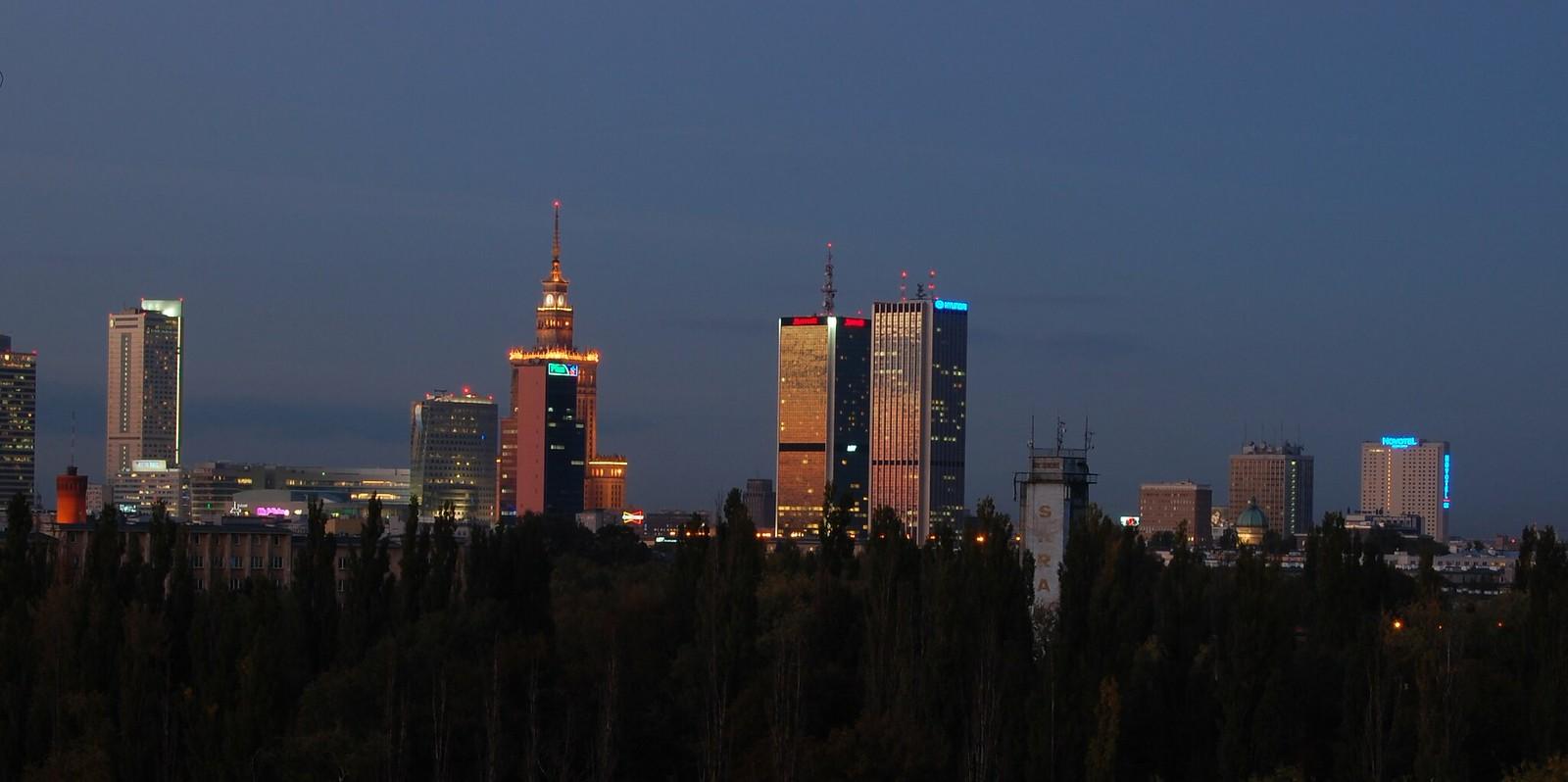
Warsaw's resilience is written into its very streets. Almost completely destroyed during World War II, the Polish capital was painstakingly rebuilt and today stands as a testament to both tragedy and renewal. The Old Town, a UNESCO World Heritage Site reconstructed brick by brick from historical paintings and photographs, is the natural starting point for any visit. The Royal Castle, the colourful Market Square, and the Barbican gate form a compact and walkable historic core that feels authentic despite its post-war origins. Nearby, the Warsaw Rising Museum is one of the most powerful and moving history museums in Europe.
Beyond the monuments, Warsaw in 2026 is a city buzzing with energy. The Polin Museum of the History of Polish Jews, housed in a striking contemporary building in the former Jewish Quarter, offers a deeply affecting journey through centuries of Jewish life in Poland. The nearby Nozyk Synagogue, the only pre-war synagogue still standing in Warsaw, is open for visitors. For a complete change of pace, the hip Praga district on the east bank of the Vistula has become the city's creative hub, packed with galleries, independent coffee shops, street art, and music venues in repurposed industrial spaces.
The Vistula riverbanks come alive each summer with beach bars, food trucks, and open-air cinema on the sandy shores beneath the old town escarpment. Warsaw's parks are equally impressive, Lazienki Park, with its summer Chopin concerts every Sunday beside the island palace, is a highlight not to miss. Whether you are a history buff, an architecture enthusiast, or simply looking for a great night out, Warsaw rewards every kind of traveller in 2026.