wellness
Warsaw's Top Walking Trails Rated by Distance and Difficulty
From a flat riverside stroll to a lung-burning forest climb, the capital's green corridors offer something for every fitness level, here's how they stack up.
How we reported this
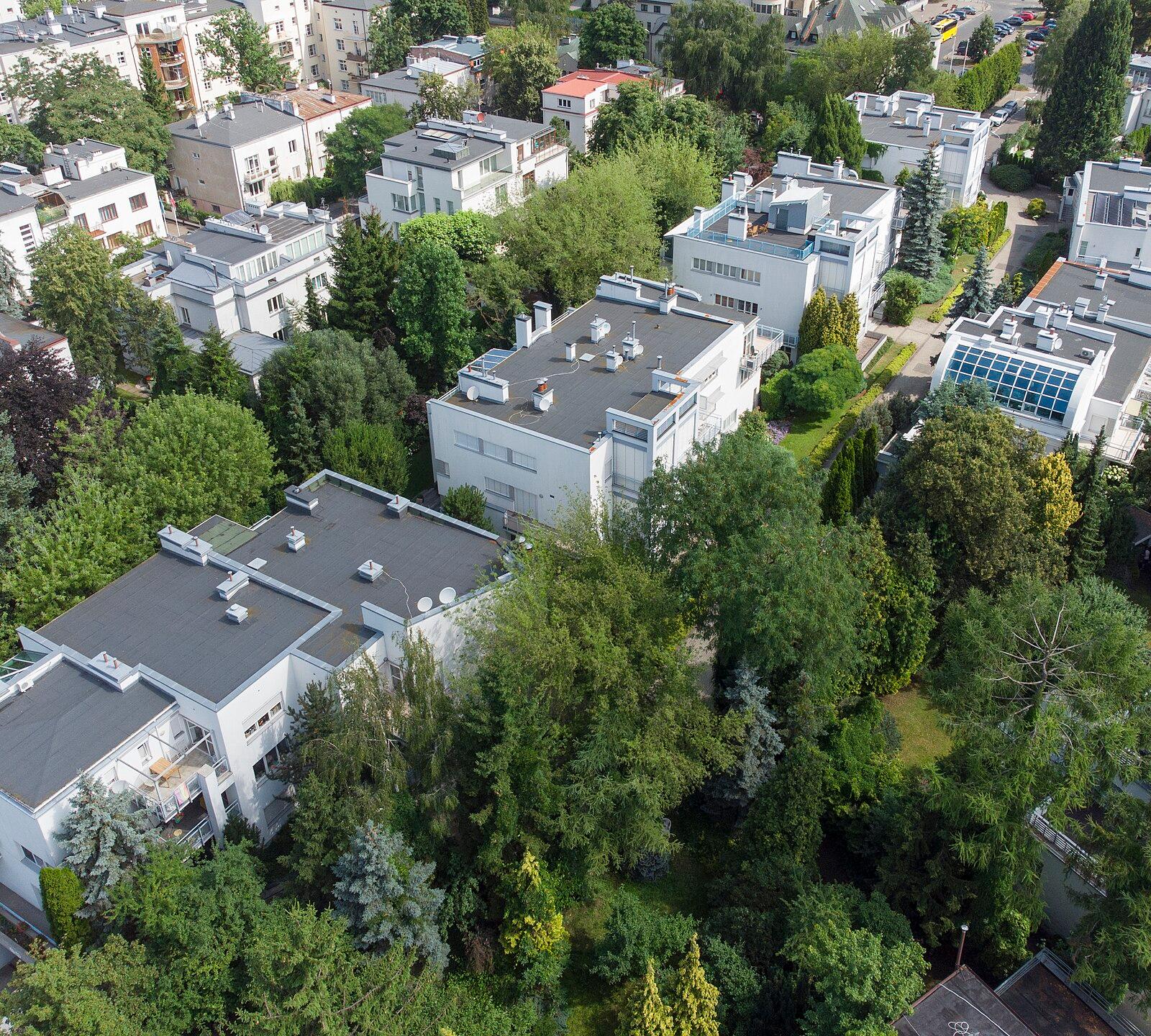
Warsaw has more navigable green space per capita than almost any other European capital its size, and residents are using it. City data published by the Zarząd Zieleni m.st. Warszawy, the municipal parks authority, shows footfall across the city's major trail networks rose 18 percent between 2023 and 2025, with the busiest single route logging over 4,000 walkers on peak summer weekends. With July heat already pushing past 30°C, the trails are full before 8 a.m.
The surge in outdoor fitness reflects a wider shift in how Varsovians think about daily movement. Gym memberships are expensive, a standard monthly pass at a central Warsaw fitness club runs between 150 and 220 PLN, and the city's trail infrastructure, largely free, has improved significantly since the 2023 launch of the Zielone Warszawy programme, which committed 85 million PLN to upgrading paths, lighting, and signage across 14 districts. For anyone reconsidering their relationship with paid fitness, the alternatives outside are worth mapping properly.
Easy and Intermediate: The Vistula Boulevards and Łazienki Loop
The flattest and most forgiving route in the city runs along the Vistula Boulevards, Bulwary Wiślane, stretching roughly 5 kilometres from the Świętokrzyski Bridge south to the Łazienkowski Bridge. Elevation change is negligible. The surface is paved and wide, there are water stations installed at three points, and the path is lit until midnight. For new walkers, those returning from injury, or anyone with young children in tow, this is the obvious starting point. Difficulty: 1 out of 5. Time: 55-70 minutes at a moderate pace.
Step up slightly in challenge and the Łazienki Park circuit, a 3.8-kilometre loop around the Park Łazienkowski grounds in Śródmieście, introduces gentle inclines and uneven gravel in several sections near the Old Orangery. The park opens at 6 a.m. daily and charges no entry fee. Distance is modest, but the terrain variation makes it genuinely useful for building ankle stability and endurance over flat concrete. Difficulty: 2 out of 5. Time: 40-55 minutes.
Advanced: Kabaty Forest and the Młociny Escarpment Trail
For experienced walkers or anyone chasing a real cardiovascular workout, Las Kabacki, Kabaty Forest, in the Ursynów district is the city's most serious urban trail option. The marked network inside the forest covers approximately 22 kilometres of interconnecting paths, with the main northern loop running 9.4 kilometres through dense pine and oak woodland. Roots, soft sandy soil, and uneven gradients throughout make trekking poles a sensible addition from October onward, though summer conditions are manageable in trail runners. The forest is accessible via Metro Line 1, Kabaty station. Difficulty: 3.5 out of 5. Time: 2-2.5 hours for the full northern loop.
The Młociny Escarpment Trail in Bielany district is shorter, approximately 6 kilometres, but punches well above its weight on difficulty. The route follows the Vistula escarpment edge through Las Młociński, with several sections dropping sharply toward the riverbank before climbing back through mixed woodland. The gradient along the escarpment rim averages 12-15 percent in places. It connects to the Bielany metro station on Line 2, making it accessible without a car. Difficulty: 4 out of 5. Time: 80-100 minutes.
Anyone planning to build a regular walking routine across these routes should think in terms of progressive loading, starting with the Vistula Boulevards twice a week before introducing the Kabaty loop. The Zarząd Zieleni authority publishes updated trail condition reports on its website ahead of weekends, which is worth checking after heavy rain, particularly for the Młociny escarpment path where erosion is a recurring seasonal issue. As always, consult a local medical professional before starting a new fitness programme, particularly if managing joint problems or cardiovascular conditions. A physio appointment in Warsaw's city centre typically costs between 180 and 250 PLN per session, less than two months of trail walking, which costs nothing at all.