wellness
Warsaw Walkers Transform Daily Strolls Into Powerful Mindfulness Practice
Warsaw's parks and riverside paths are already packed with walkers, here's how to make every step count for your mental health.
How we reported this
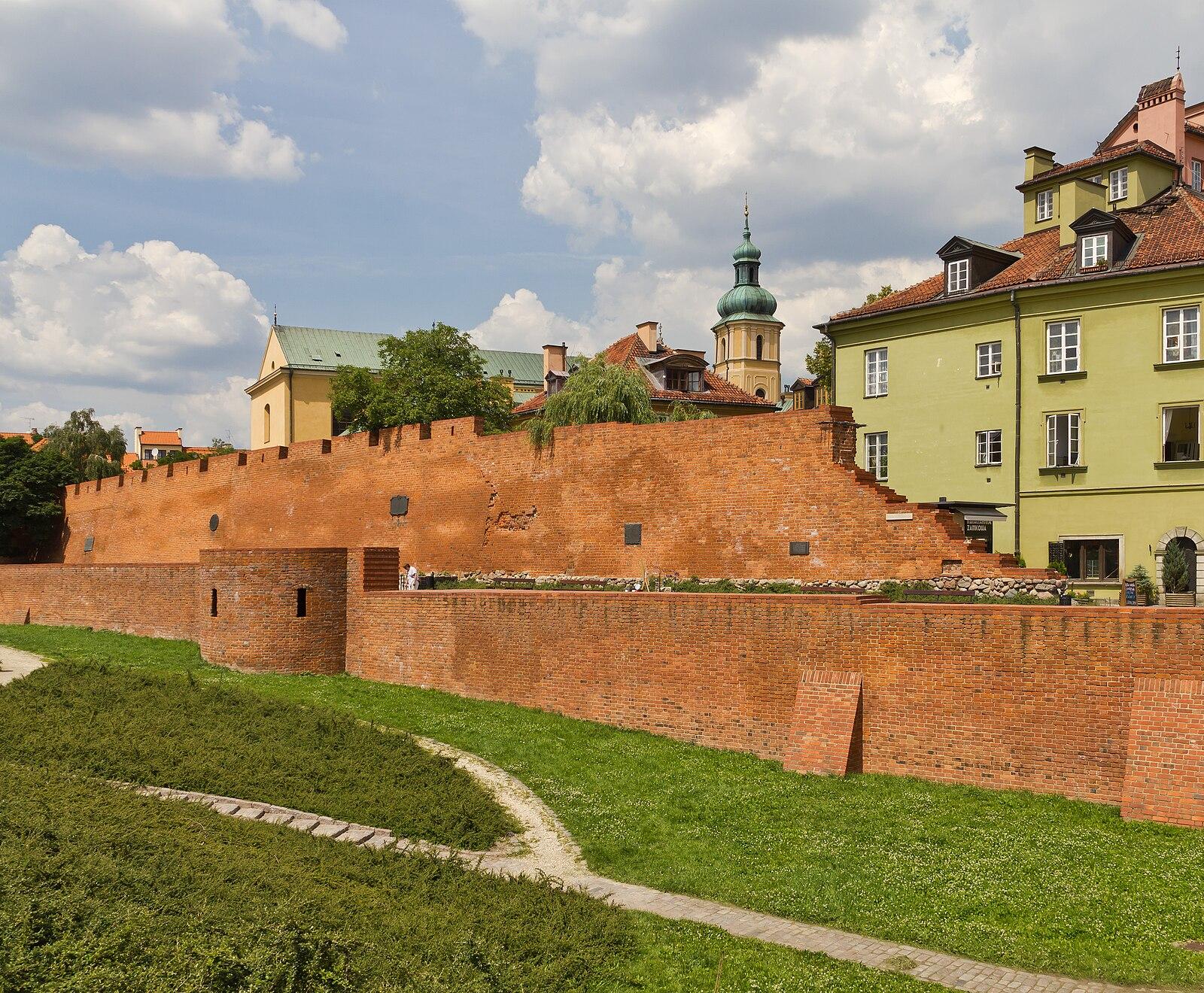
Warsaw is a city that walks. On any given morning, the paths along the Vistula riverbank between Bulwary Wiślane and Praga Północ are thick with people moving fast, earbuds in, phones out. Most of them are getting exercise. Very few are getting the deeper benefit that movement researchers now say is sitting right there for the taking: a genuine, structured mindfulness practice that requires no app, no subscription, and no studio.
The interest in walking meditation has accelerated sharply across European cities in the past 18 months, driven partly by a post-pandemic exhaustion with screen-based wellness and partly by a growing body of evidence that incidental, attention-based movement reduces cortisol more reliably than passive relaxation techniques alone. For Warsaw, a city whose residents log some of the longest average commutes in Central Europe, the 2025 Warsaw Mobility Report put the average door-to-door journey time at 42 minutes, that matters. A lot of those minutes are already being spent walking. The question is how to use them differently.
What Walking Meditation Actually Means
Strip away the jargon and the practice comes down to three things: deliberate pace, sensory attention, and the release of goal orientation. Instead of treating your route from Mokotów to the nearest metro stop as a logistics problem to solve as quickly as possible, you treat each stretch of pavement as the entire point of the exercise.
The mechanics are straightforward. Begin by slowing down by roughly 20 percent, not enough to make you conspicuous on Aleje Jerozolimskie, just enough to interrupt the autopilot. Then anchor your attention in the body: the contact of your heel with the ground, the slight shift of weight through the arch, the push-off from the ball of your foot. Breath follows naturally. When the mind drifts to a work meeting or a grocery list, and it will, you simply notice that it has drifted, and return to the physical sensation of walking. That return is the repetition. That is the practice.
Research published in the journal Mindfulness in March 2025 found that participants who practised structured walking meditation for 20 minutes, four times a week, showed a 31 percent reduction in self-reported anxiety scores over eight weeks, compared with 14 percent in a group who walked the same distance without the attentional component. The difference was the quality of attention, not the mileage.
Where to Start in Warsaw
The city offers ideal conditions. Łazienki Królewskie park in Śródmieście has a 2.3-kilometre inner perimeter loop that is flat, largely traffic-free, and busy enough to practise attention in a social environment without isolation. The park's Friends of Łazienki volunteer programme hosts informal slow-walking groups on Saturday mornings from 8:00 to 9:00, drawing between 15 and 30 participants each week through summer.
For those who prefer urban textures to green space, the Praga district's Różyckiego Bazaar neighbourhood on Targowa Street offers something different: a dense, sensory-rich environment where practising non-reactive observation, noticing sounds, smells, movement without judging them, functions as advanced-level mindfulness training. The Warsaw Mindfulness Centre, based on Hoża Street in Śródmieście, has incorporated a 90-minute guided urban walking session into its standard eight-week Mindfulness-Based Stress Reduction course since January 2026. The course itself runs at 480 złoty for the full programme.
Getting started costs nothing beyond a pair of comfortable shoes and a willingness to look, briefly, like someone who has forgotten how to walk at a normal speed. Leave the podcast. Put the phone in a pocket rather than your hand. Pick a fixed starting point, the corner of Nowy Świat and Świętokrzyska works well, and commit to the first five minutes as pure attention. Five minutes is enough for the nervous system to begin shifting register. Twenty minutes is enough for something close to genuine restoration.
Warsaw's summers are short and the light in early July is extraordinary until well past 21:00. That is a resource. The paths are there. The only piece of equipment still missing is the decision to pay attention to what your body is already doing every single day.