wellness
Warsaw's Sleep Scientists Reveal Why Your Nap Timing Matters Most
Warsaw's wellness culture has embraced the midday rest, but sleep researchers say the timing and length of your nap can make or break your night.
How we reported this
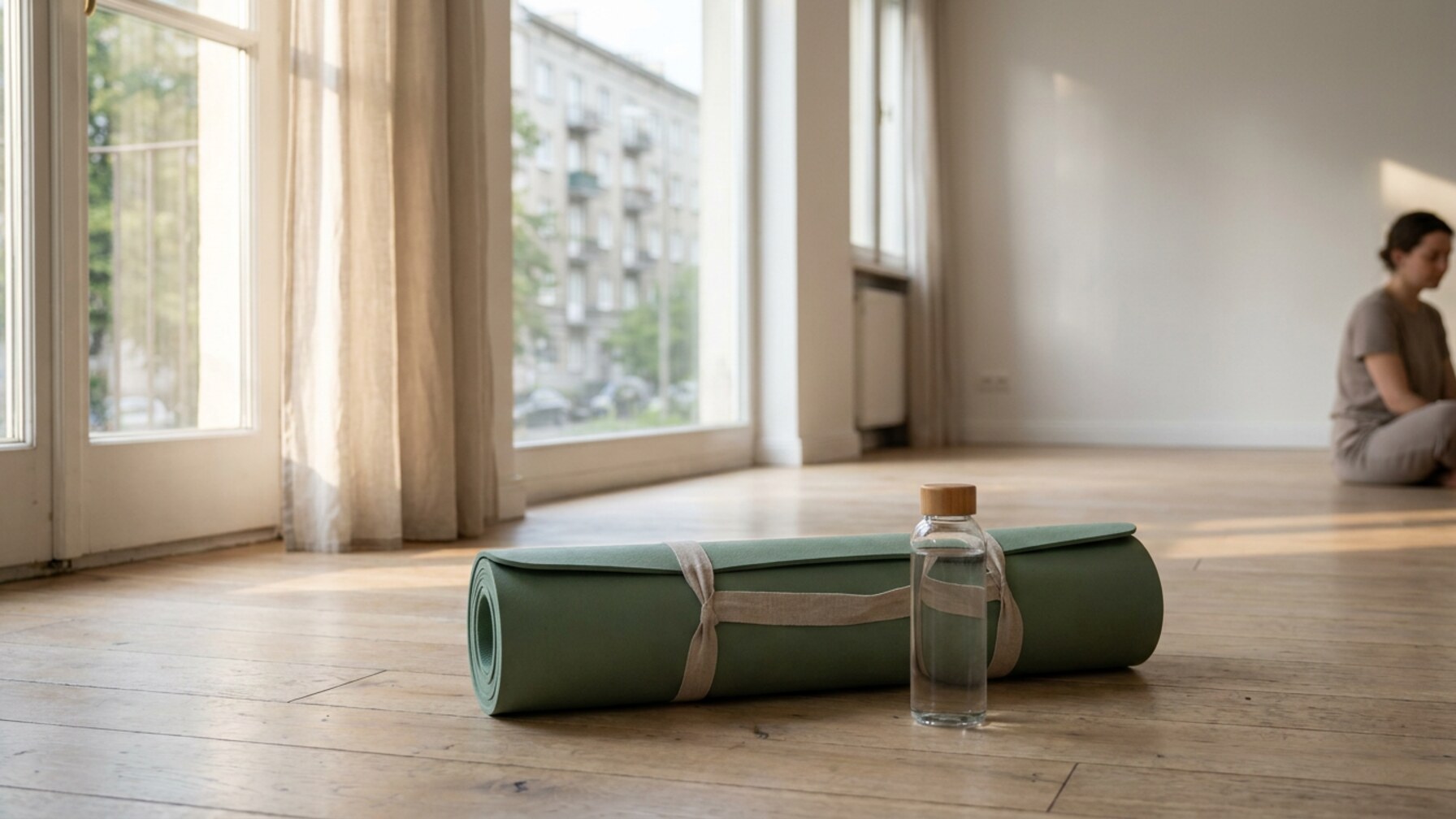
The 20-minute nap is either your best productivity tool or the reason you're staring at the ceiling at midnight. Which one depends almost entirely on when you close your eyes and for how long, and Warsaw's growing army of sleep-conscious office workers is getting it wrong more often than right.
Hormone research published earlier this year reinforced what sleep scientists have argued for decades: the body's circadian rhythm creates a natural dip in alertness between roughly 1 p.m. and 3 p.m. That window is real, physiological, and not a sign of weakness. The problem is that Varsovians, like most urban Europeans, have built schedules that push napping outside it, grabbing 40 minutes on the couch at 5 p.m. after the commute home from Mokotów, then wondering why melatonin won't kick in before 1 a.m.
The Science Behind the Siesta Window
A 2023 meta-analysis covering more than 313,000 participants, published in the journal Sleep Health, found that naps under 30 minutes taken before 3 p.m. were associated with improved cognitive performance and no measurable disruption to nocturnal sleep architecture. Naps longer than 60 minutes, particularly those taken after 4 p.m., correlated with a 30 percent higher likelihood of difficulty falling asleep that night. The sweet spot most researchers now cite is 10 to 20 minutes, short enough to avoid slow-wave sleep, long enough to clear adenosine from the prefrontal cortex.
Warsaw's wellness infrastructure is starting to reflect this. Strefa Relaksu, a recovery and mindfulness centre on ul. Marszałkowska, introduced timed 20-minute nap pods in January 2026. Monthly membership costs 290 złotych and includes two guided rest sessions per week, each scheduled between noon and 2:30 p.m., deliberately within the circadian dip. The centre reports that bookings for the nap pods now run at 85 percent capacity on weekdays. Separately, the Praga Południe community wellness hub, operating out of a converted factory space near ul. Grochowska, runs a Friday afternoon "reset hour" that combines breathwork with a structured 15-minute rest, drawing roughly 60 participants each session since its March launch.
Corporate Warsaw is slower to adapt. Most of the large office clusters in Wola and on al. Jerozolimskie still operate continuous 8-hour or 9-hour blocks with no formal rest provision. A survey conducted by the Polish Sleep Society in May 2026 found that 67 percent of Warsaw-based knowledge workers reported napping at least once a week, but 54 percent of those did so after 4 p.m., precisely the window most likely to fragment night sleep. The same survey put average reported sleep duration in Warsaw at 6 hours 42 minutes on workdays, below the 7-to-9-hour range recommended for adults by the World Health Organization.
When the Rest Becomes the Problem
Late napping doesn't just shorten night sleep, it can hollow it out. Sleep pressure, the biological drive to sleep that builds throughout the day, gets partially discharged by even a short nap. Take that discharge too late, and the body arrives at bedtime under-pressured. The result is lighter, more fragmented sleep that scores poorly on restorative measures regardless of total duration.
There's also a complication specific to people already managing poor sleep. For anyone with chronic insomnia, most clinical guidelines, including those followed at the Centrum Medyczne Damiana on ul. Wałbrzyska, which runs a dedicated sleep disorders outpatient clinic, recommend avoiding daytime naps entirely during the initial phase of treatment, because even a brief rest can undercut the sleep restriction protocols used in cognitive behavioural therapy for insomnia (CBT-I).
For everyone else, the practical framework is straightforward. Nap before 3 p.m. Set a timer for 20 minutes. Sit slightly upright rather than lying flat, which slows the descent into deep sleep. And if you're still groggy after waking, a phenomenon called sleep inertia, give yourself 10 minutes and a glass of cold water before judging the experiment a failure. Done consistently, and at the right time, a short rest in the early afternoon is not laziness. It's maintenance. Done at the wrong time, it's borrowing sleep you'll pay back with interest at midnight.