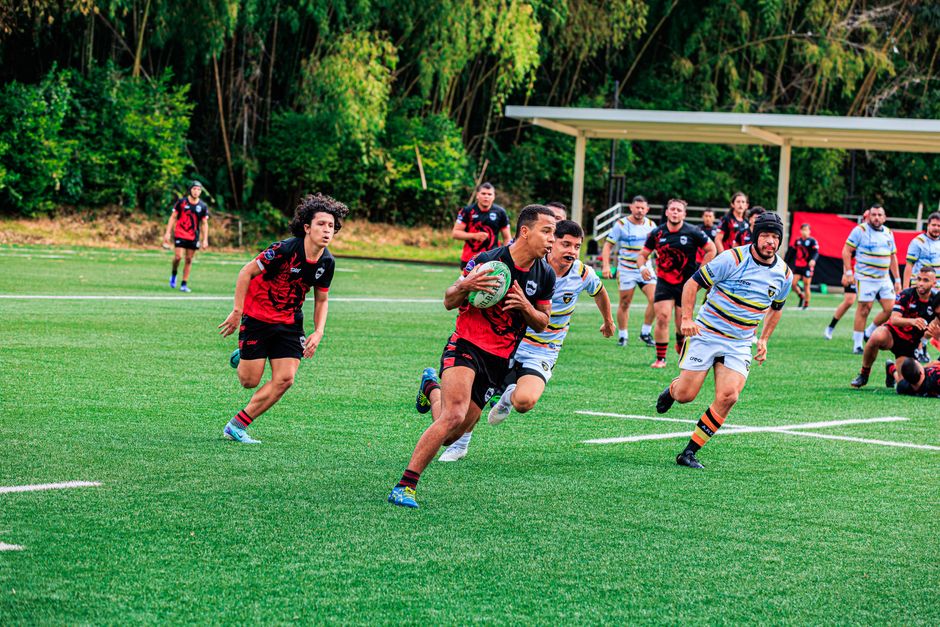
Australia's Olympic cricket and rugby programs are posting participation numbers that should make administrators uncomfortable. Cricket Australia's latest community engagement figures show registered recreational players hit 1.47 million in the 2025-26 season, a 12 percent jump from the pre-Paris baseline. Rugby Sevens participation through Rugby Australia's club network climbed to 340,000 registered players over the same period. The gap between those grassroots volumes and the medal tallies at Paris 2024 — one bronze, through the women's Sevens — tells a story the national bodies have been slow to confront.
The timing matters. With Los Angeles 2028 now less than two years away and the International Cricket Council pushing hard for T20 cricket's full Olympic debut at LA28, both sports are at a crossroads moment. Funding decisions being made in Canberra right now — specifically through the Australian Sports Commission's next four-year High Performance funding cycle, which closes for submissions on September 30 — will determine whether those grassroots numbers eventually translate into podium results.
Where Australians Are Actually Playing
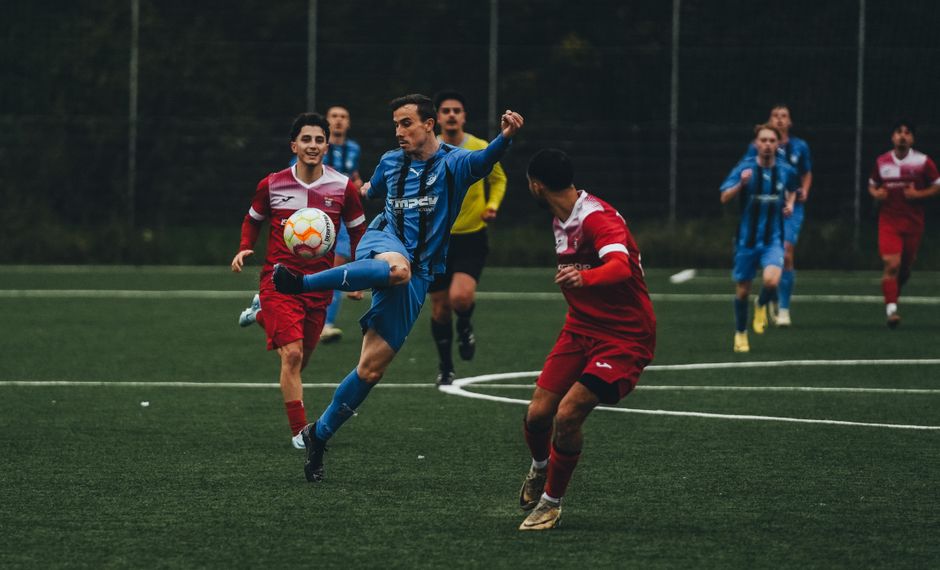
Walk past Pratten Park in Ashfield on a Saturday morning and you will find four junior cricket matches running simultaneously before 10am. Drive out to Henson Park in Marrickville and the rugby touch competitions draw close to 600 participants every weekend through winter. These venues are not anomalies. They are representative of a fitness culture that has quietly shifted since COVID lockdowns ended: Australians, particularly those under 35, have moved back to team sports in large numbers after a sustained period of solo gym and running activity.
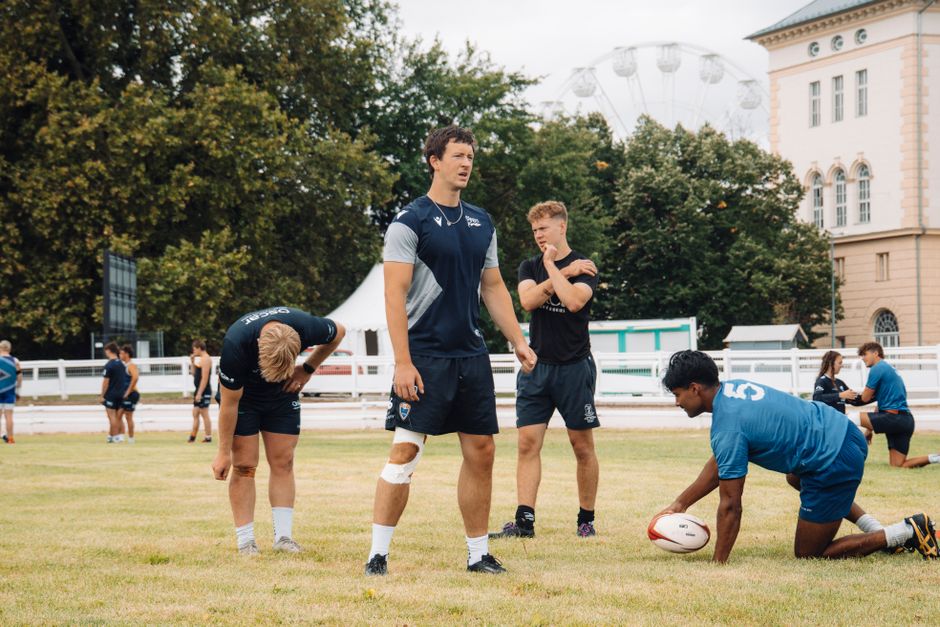
The Parklands Sports Centre at Moore Park reported a 34 percent increase in field bookings for cricket and rugby codes between July 2024 and June 2026. The NSW Cricket association's community arm, through its SheCricket program based at Drummoyne Oval, enrolled 8,400 girls aged 8 to 16 in the 2025-26 season alone — double the 2023 figure. Rugby Australia's inaugural Olympic Pathways Program, which runs identification camps out of Concord Oval, processed 1,100 athletes in its first full year. The pipeline exists. The question is whether the high-performance end can absorb it.
Data That Cuts Both Ways
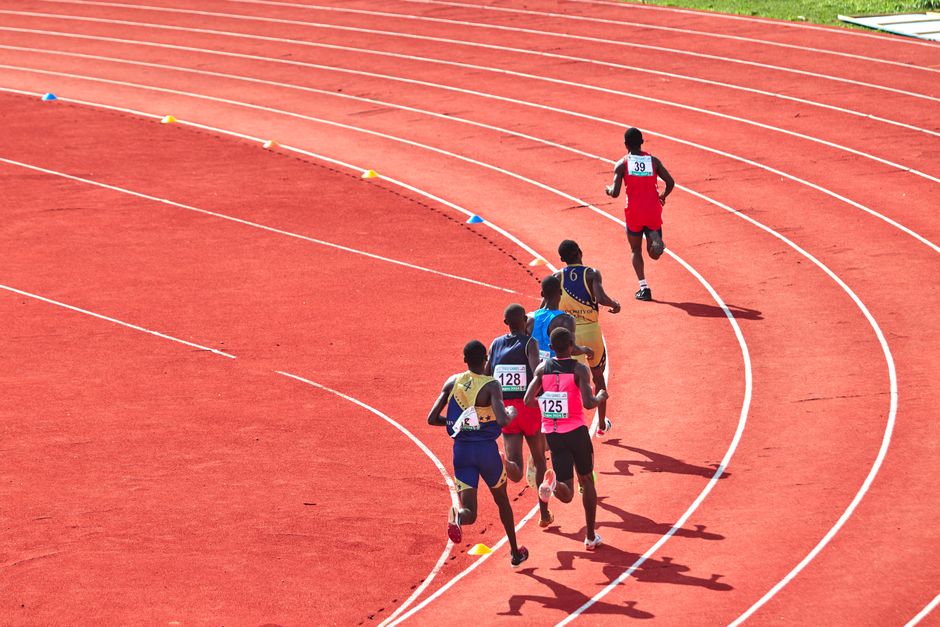
The participation surge is real, but the fitness data attached to it carries a warning. A report published by the Australian Institute of Health and Welfare in March 2026 found that while team sport participation had risen 18 percent nationally since 2022, average aerobic capacity scores among adult recreational players had declined slightly — a function, researchers suggested, of people returning to sport after years away from structured training. Among rugby Sevens players in the 15-to-24 age bracket, VO2 max averages sat at 48.3 ml/kg/min, roughly four points below the benchmarks Rugby Australia uses for its elite development squads.
That gap matters enormously for Olympic Sevens, a format that demands elite aerobic conditioning across compressed tournament schedules — Australia's women played five matches in 48 hours at Paris. Cricket's Olympic format, likely to be a six-team T20 competition at LA28, is less aerobically brutal, but the fielding and explosive movement demands are far higher than recreational cricket delivers. In short, Australians are playing more sport, but the sport they are playing is not fully preparing the best of them for Olympic competition.
For anyone wanting to turn recreational enthusiasm into genuine performance potential, the practical pathway already exists — and is worth using before LA28 selection pressure intensifies. Rugby Australia's Sevens High Performance Unit accepts expressions of interest through its website year-round, with the next identification camp scheduled for October 2026 at Ballymore in Queensland. Cricket Australia's Olympic T20 squad preparation program, run through the National Cricket Centre at Allan Border Field, is advertising its 2027 intake from August. Both organisations have made clear they are prioritising athletes who can demonstrate aerobic base alongside technical skill. Getting tested and assessed through state academies before those windows close is the most direct route from Pratten Park to Los Angeles.