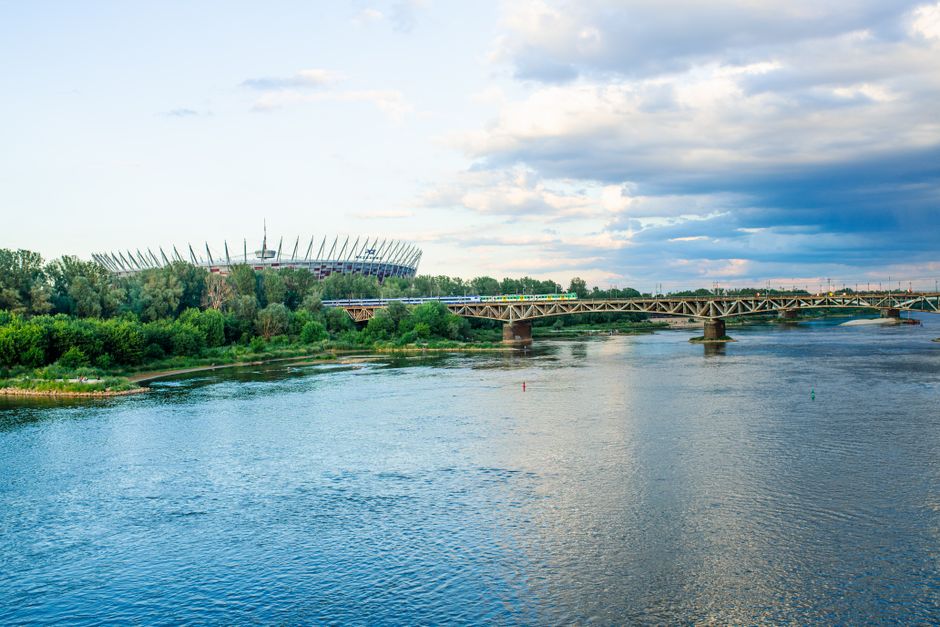
Ask any Varsovian fitness regular where they walk on a Sunday morning and almost none of them will say Łazienki Park. That famous address belongs to the tourist maps. The real answer, repeated across cycling groups, running clubs and weekend hikers, is the Vistula escarpment path between Siekierki and Wilanów, a 14-kilometre stretch of wild riverbank that most first-time visitors to the capital never find.
Warsaw's outdoor fitness scene has grown sharply since the city expanded its Green Warsaw programme in 2023, adding over 40 kilometres of marked recreational trails within city limits. That infrastructure, combined with rising gym membership costs, a mid-tier club in Mokotów now charges around 180 złoty per month, has pushed thousands of residents back outside. The result is a parallel city of walkers, joggers and trail runners operating on paths that rarely appear in any travel guide.
The Routes That Run on Word of Mouth
The Kabaty Forest, at the southern terminus of metro line M1, is the most obvious open secret. Roughly 920 hectares of mixed pine and oak woodland sit inside city limits, criss-crossed by unmarked sandy tracks that local trail runners treat as their personal gym. The forest connects to the larger Chojnów Landscape Park just beyond the administrative boundary, meaning a determined walker can cover 25 kilometres without once crossing a major road. On weekday mornings before 8 a.m., the Kabaty parking area off ul. Kabacki Dukt fills almost entirely with regulars, the tourists, overwhelmingly, stay north of the river.
A shorter but equally compelling option is the Las Bielański reserve in the northern district of Bielany. Classified as a strict nature reserve, the forest is open to pedestrians on designated paths and covers around 152 hectares. The entrance off ul. Dewajtis, beside the Academy of Physical Education campus, is unmarked enough that cyclists regularly overshoot it. Inside, the canopy is dense enough to drop summer temperatures by three to four degrees compared to the surrounding streets, a fact well known to the morning walkers from the nearby Żoliborz neighbourhood who treat it as a daily commute to cool air.
The Vistula embankment itself deserves separate attention. Between the Świętokrzyski Bridge and the Siekierkowski Bridge on the eastern Praga bank, Warsaw's urban planners have allowed the riverbank to re-wild intentionally. Tall grasses, pollinator meadows and informal sandy beaches have emerged since the city stopped mowing that stretch as part of a biodiversity trial begun in April 2024. The Praga Południe district council recorded a 31 percent increase in pedestrian footfall along this corridor in summer 2025 compared to 2022 figures, mostly local residents.
How to Find Them and What to Bring
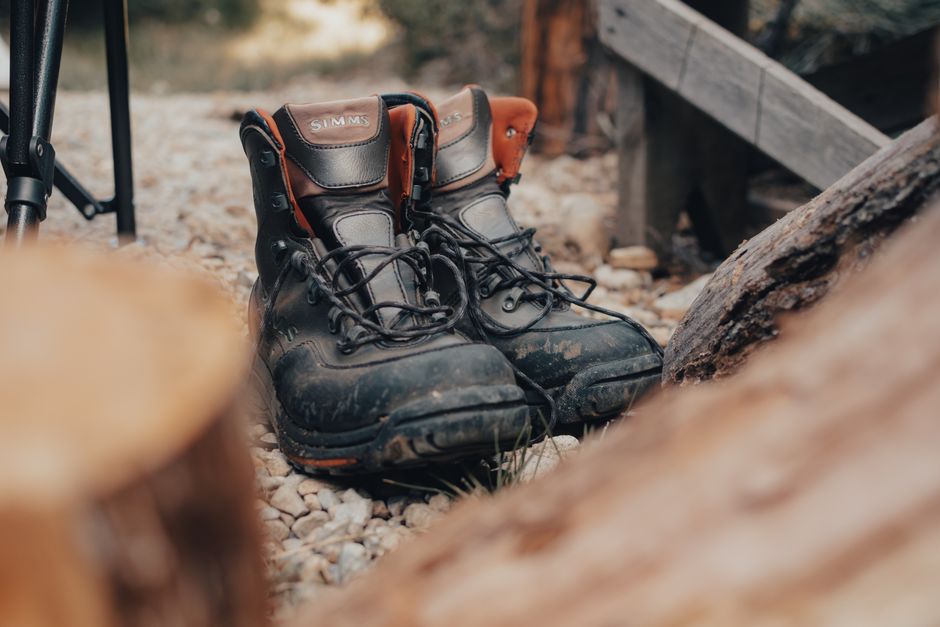
None of these routes demand specialist equipment. Decent footwear matters most in Kabaty, where sandy soil gives way to tree roots after rain. The Warsaw City Council's Mapa Warszawy platform, updated as recently as March 2026, includes trail layers that most visitors never toggle on, flipping those layers reveals the full escarpment path network and seasonal access conditions for the Bielański reserve.
Hydration is worth planning. Kabaty has a single water point near the Stokłosy entrance; the Bielański reserve has none inside the protected boundary. The Vistula embankment path has permanent drinking fountains installed at roughly 800-metre intervals south of the Łazienkowski Bridge, placed there as part of the city's 2025 heatwave adaptation package.
The practical starting point for any newcomer wanting to move beyond the tourist circuit is the Polskie Towarzystwo Turystyczno-Krajoznawcze, the Polish Tourist and Sightseeing Society, which runs free guided walks departing from pl. Zamkowy on the first Saturday of every month. The next one falls on 4 July 2026. No registration required, no cost, and the guides invariably ignore the Old Town the moment they cross the embankment wall.