Warsaw's city council confirmed this week that 47 free outdoor and indoor fitness sessions for residents aged 60 and over will run every week through August 31, making this the largest municipal senior exercise initiative the capital has organised since the post-pandemic recovery programmes of 2022. The scheme, administered through the Urząd Miasta Stołecznego Warszawy and delivered in partnership with Warszawski Sport, targets districts where GP data showed the sharpest rise in sedentary behaviour among older adults — Praga-Północ, Bemowo and Targówek chief among them.
The timing is deliberate. Poland's Central Statistical Office figures from early 2026 put the share of adults over 65 who meet World Health Organisation weekly physical activity guidelines at just 22 percent — well below the EU average of 31 percent. Cardiovascular disease remains the leading cause of death in the Mazowieckie region. Warsaw's public health directorate has been under pressure to move beyond information campaigns and put actual programmmes on the ground, particularly as hormone and metabolic health discussions have surged across European wellness media this year, shining a light on how modifiable lifestyle factors — not just pharmacology — shape ageing outcomes.
Where the Sessions Are and What They Look Like
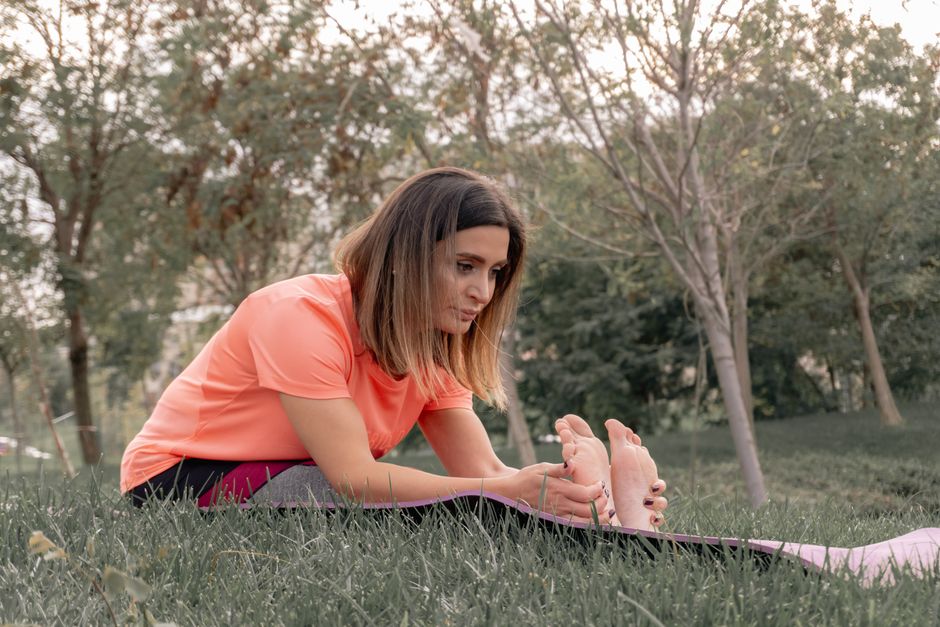
The anchor venues are Pole Mokotowskie park, where Nordic walking groups meet Tuesday and Thursday mornings at 9 a.m. near the main fountain, and the Dom Kultury Rakowiec on Wiślicka Street in Ochota district, which is hosting twice-weekly low-impact aerobics and balance training indoors. Both locations were chosen specifically because they sit within 800 metres of major tram lines — routes 7, 9 and 35 — reducing the transport barrier for participants who no longer drive.
Along the Vistula, the Bulwary Wiślane stretch between the Świętokrzyski Bridge and Łazienkowski Bridge has been fitted with four new outdoor gym stations calibrated for lower-impact resistance training. Certified instructors from the Akademia Wychowania Fizycznego (AWF Warsaw) are staffing those riverside slots on Monday, Wednesday and Friday afternoons from 4 p.m. to 6 p.m. The AWF partnership is a new element this year; previously the council used freelance fitness contractors whose accreditation varied.
Participation figures from a six-week pilot run in May and June give the council reason to be optimistic. Roughly 1,340 individual attendees turned up across 22 pilot sessions — an average of 61 people per session, well above the 35 the organisers had projected. Retention between week one and week four held at 68 percent, which Warsaw Sport's programme coordinators say compares favourably with paid senior fitness classes at private studios, where drop-off over the same window typically runs closer to 45 percent. No membership card or advance booking is required for most outdoor slots; the indoor Dom Kultury Rakowiec sessions do ask for a simple same-day sign-in at the front desk to manage capacity.
How to Get Involved Before August Ends
The full timetable, broken down by district and accessibility rating, is published on the warszawiakiaktywni.pl portal and updated every Monday morning. Residents in Wola and Śródmieście who missed the July 3 launch dates have a second entry point: sessions at Park Moczydło on Górczewska Street begin July 14 and run through the end of August without interruption, including on public holidays.
Doctors at the Centrum Medyczne Damian on Wałbrzyska Street and several Przychodnia Rodzinna clinics in Mokotów have reportedly begun distributing the programme flyer to patients at routine check-ups — a low-key referral loop that public health advocates have pushed for in other European cities without always getting traction. Warsaw's approach of embedding the fitness offer inside existing clinical touchpoints is worth watching as other Polish cities, including Kraków and Gdańsk, look to replicate the model for their own ageing populations.
Anyone considering joining should bring water and wear supportive footwear; instructors carry basic first-aid kits, but participants with recent orthopaedic surgery or unmanaged cardiac conditions are encouraged to check with their GP or a local specialist before starting. The sessions cost nothing, but the health dividend, the council argues, is anything but trivial.