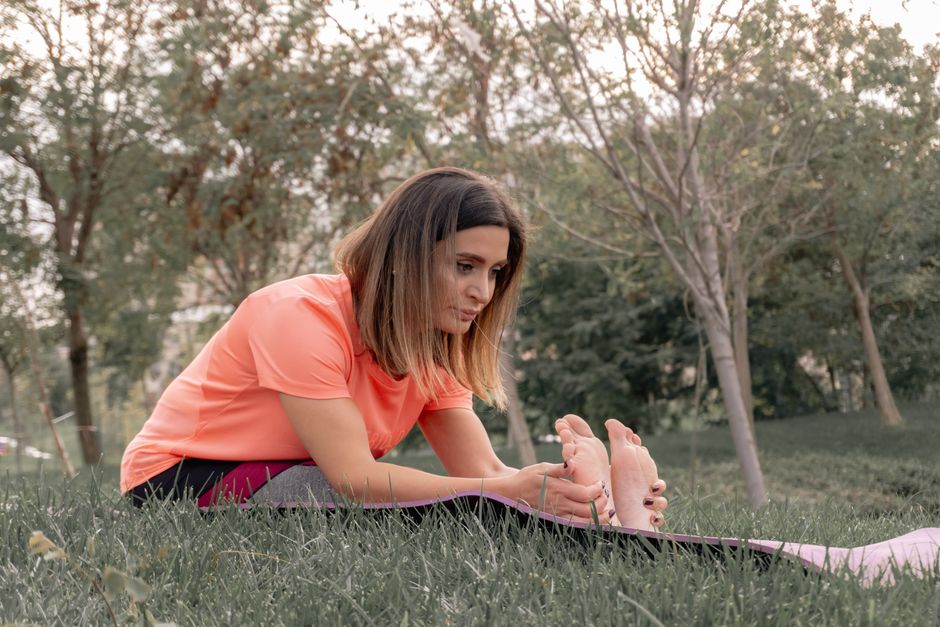
Warsaw's network of council-run sports facilities is running at near-capacity for group fitness classes this summer, with the city's Ośrodki Sportu i Rekreacji (OSiR) reporting that mid-morning slots at several district centres filled within 48 hours of the July booking window opening on 1 July. The surge reflects a broader shift in how Varsovians approach communal exercise — away from expensive private studios and toward publicly subsidised venues that charge a fraction of the market rate.
The timing matters. July in Warsaw lands at a point when heat, longer days and a collective post-work restlessness collide. Public health researchers have consistently linked regular group exercise to lower rates of reported loneliness, reduced stress markers and improved sleep quality — findings that carry extra weight after three years of interrupted routines during and after the pandemic. For anyone whose gym membership lapsed and never came back, the municipal system is a practical reentry point. As always, anyone managing a specific health condition should check with their GP or a local specialist before starting a new programme.
Where to Go and What's on Offer
The most accessible starting point is OSiR Mokotów on ul. Ignacego Krasickiego 50, which runs over 30 distinct weekly classes across disciplines including zumba, body pump, yoga, spinning and water aerobics in its 25-metre pool. The Mokotów facility recently expanded its Saturday morning schedule, adding a 9:00 a.m. pilates class aimed at beginners — a slot that had previously been left empty. Across the river, OSiR Praga-Południe on ul. Siennicka 40 is frequently cited by regular users as the better-equipped of the two larger east-bank centres, with a recently refurbished group fitness studio that opened in March 2026 following a 1.2 million złoty renovation funded partly through the city's annual capital budget.
The Wola district offers another strong option: Centrum Sportowe Nowa Wola near ul. Kasprzaka has built a loyal following for its early-morning bootcamp sessions, which start at 6:30 a.m. on weekdays and attract a mix of commuters and shift workers. The Żoliborz neighbourhood's smaller facility on ul. Słowackiego operates on a slightly reduced timetable but keeps costs low — a single drop-in class there runs 18 złoty, compared to 35–50 złoty at most private studios in Śródmieście.
Registration for most OSiR classes runs through the city's unified booking portal at um.warszawa.pl, though individual district centres also accept in-person sign-ups at reception. A monthly pass covering unlimited group classes at a single district facility costs 149 złoty as of July 2026 — roughly the price of two sessions at a commercial gym chain like Fabryka Formy or Calypso. Family discounts and reduced-rate cards for over-60s and students with a Warsaw resident PESEL number bring that figure down further, sometimes to as low as 89 złoty per month.
How to Get the Most Out of the System
The practical reality is that the most popular classes — aqua aerobics on Tuesday and Thursday mornings at Mokotów, and the Monday-evening body balance sessions at Praga-Południe — disappear fast when the monthly booking cycle resets on the first of each month. Setting a calendar reminder for 7:00 a.m. on 1 August is not overcautious. It is, based on current demand patterns, essentially necessary.
For newcomers uncertain about which class to pick, most OSiR receptions will give a free 15-minute orientation session with a duty instructor who can advise on difficulty levels. The city's Warszawski Rower Miejski bike-share network connects most of the major district centres, making a cross-town class trip realistic without a car. If the group class model doesn't suit, several OSiR facilities also run unstructured open gym slots — no class, no instructor, no booking required — for 12 złoty per session. That option tends to be quieter and, for now at least, does not require booking a month in advance.