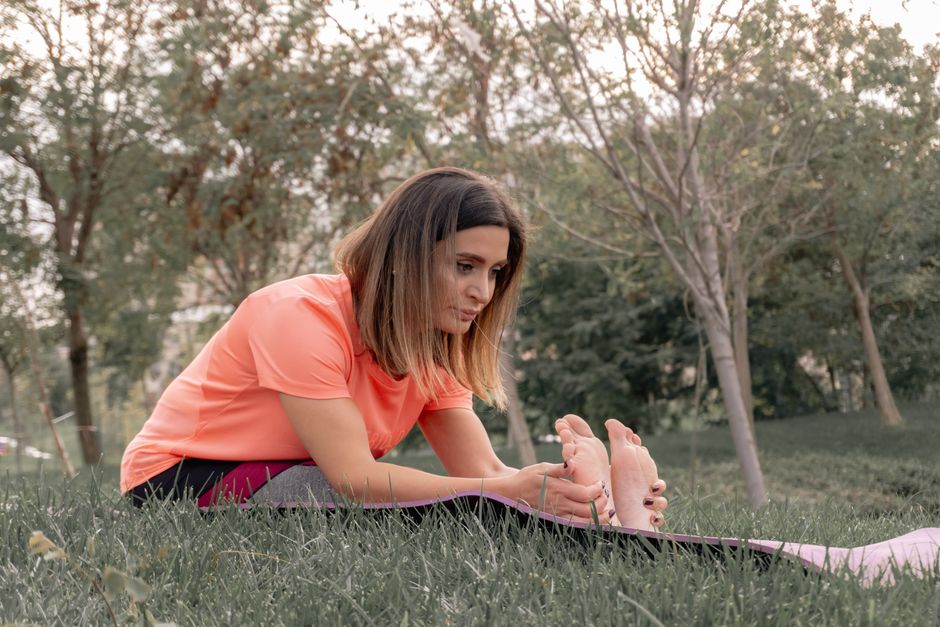
More Warsaw residents are ditching gym memberships in favour of walking groups this summer, and the numbers tell a clear story: organised walking in Polish cities has grown by roughly 34 percent since 2022, according to figures from the Polish Running and Walking Federation published in May. The trend is accelerating fastest in Warsaw, where the city counted over 60 registered recreational walking initiatives in 2025, up from fewer than 20 four years earlier.
The timing matters. July heat in Warsaw — temperatures this week pushed past 33°C in Mokotów — has nudged many people away from static outdoor exercise toward shaded, paced walking that can be adjusted on the fly. Doctors at the Centrum Medyczne LIM on Aleje Jerozolimskie have seen increased referrals for exercise-related heat exhaustion, and their standard advice is increasingly the same: walk in groups, walk early, walk in the shade. Social accountability, it turns out, doubles as a safety mechanism.
Where Warsaw Already Walks
The infrastructure here is genuinely good. Park Łazienkowski remains the city's busiest recreational corridor, with the main promenade loop measuring just over 4.5 kilometres — long enough to feel like an achievement, short enough that a newcomer won't drop out after the first session. The Vistula boulevards, stretching north from Most Poniatowskiego through Praga-Południe, offer a flat, car-free route that works well in the morning before the sun gets serious. Both locations have public toilets, benches and water points, which matter more than people expect when organising beginners.
Organisations already doing this well include Warsaw Walkers, an informal English-and-Polish bilingual group that meets every Saturday at 8 a.m. near the Centrum metro station, and the city-run Warszawska Szkoła Chodzenia programme, which has been offering free guided urban walks since April through the Biuro Sportu i Rekreacji. The latter runs until the end of September and covers routes through Żoliborz, Wola and Bielany — neighbourhoods that rarely get the recreational attention of the centre. Both programmes are free to join.
The Practical Steps to Launching Your Own Group
Starting from scratch is simpler than most people assume. The core requirement is not equipment or expertise — it is a fixed schedule. Groups that commit to the same day, same time and same starting point from week one retain members at roughly twice the rate of those that vary their logistics, according to a 2024 community sport participation study by the European Ramblers' Association. Pick somewhere with obvious landmarks. The fountain near the Filtry waterworks on Koszykowa street works. So does the southern entrance to Park Skaryszewski in Praga-Południe, which has free parking and a tram stop on line 9.
Keep the first walk short — 45 minutes is enough. Register the group through Urząd Dzielnicy, your district office, if you want access to council noticeboards and occasional small grants; the application process in most Warsaw districts takes under two weeks and costs nothing. A group WhatsApp or Messenger chat is non-negotiable for weather updates and last-minute changes. Set a rule early: post the walk confirmation by 7 p.m. the evening before, or members will stop checking.
Pace is the most common early tension. Mix fast and slow walkers in the first few sessions and you will lose both. One solution used by the Wola Walking Club, which meets near Rondo Daszyńskiego on Wednesday mornings, is a simple colour-coded system: blue pace (leisure, under 5 km/h) and red pace (brisk, 6 km/h and above), with the group splitting at the halfway point and reconvening at a café. It sounds bureaucratic, but members say it removed the single biggest source of early drop-out.
Budget is minimal. Liability insurance through PZU for a recreational group of under 30 people runs to approximately 180 złotych per year. A reflective vest for the lead walker costs around 25 złotych at Decathlon on Powsińska street. Everything else — the route, the conversation, the accountability — is free. Warsaw already has the paths. The only thing missing is someone to send the first message.