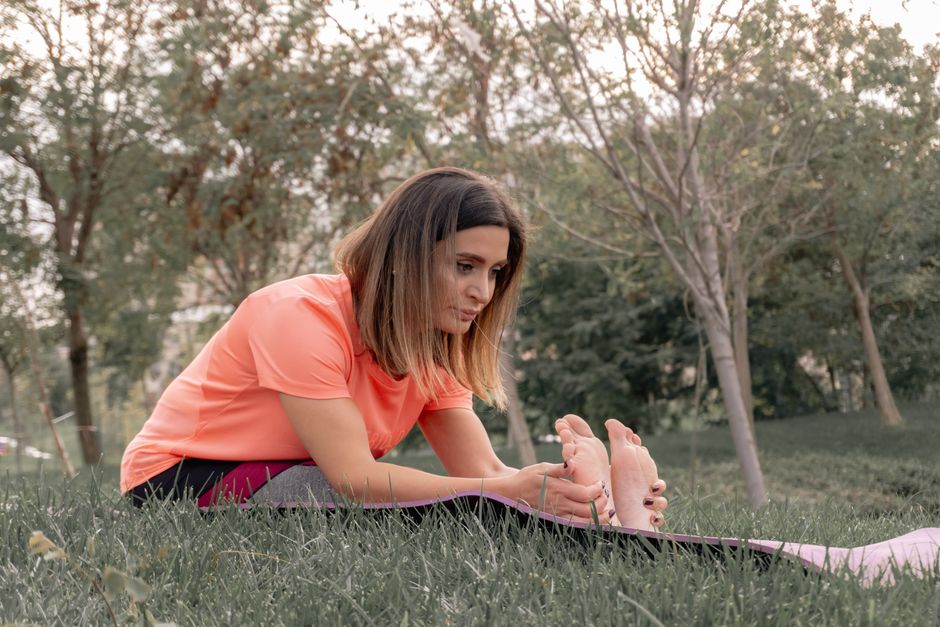
Warsaw now has more than 180 free outdoor gym stations scattered across its parks and green corridors, making it one of Central Europe's densest networks of public fitness infrastructure. The city's Sport Warsaw programme, run under the Biuro Sportu i Rekreacji, has been expanding the network since 2018, and the results are showing up in how residents spend their mornings.
July matters here. With temperatures regularly pushing past 28°C by mid-afternoon this summer, early-morning fitness routines in shaded green spaces have become the rational choice for anyone trying to stay active. The city's parks offer not just equipment but tree cover, water fountains, and the kind of social atmosphere that a gym membership at 150 złoty a month struggles to replicate.
Where to Go: The Standout Spots
Park Pole Mokotowskie remains the flagship. The large meadow park running along Wawelska Street in the Ochota-Mokotów border zone has two separate outdoor fitness circuits — one near the northern entrance off Banacha Street, another further south toward the Sielanka café. The northern circuit has 12 stations including pull-up bars, parallel bars, a rowing machine, and a balance beam. It opens at first light and sees its heaviest foot traffic between 6:30 and 8:30 in the morning. Go after 9 and you'll have most of it to yourself.
Park Praski, just east of the Vistula in the Praga-Północ district, is the second spot serious about this. The circuit there sits near the zoological garden boundary on Ratuszowa Street and was fully refurbished in 2024 with rubberised flooring and ten new pieces of apparatus, including a combined leg-press and chest-press station. It attracts a noticeably different crowd than Mokotów — more older adults, more families, and the kind of regulars who have claimed specific benches for their warm-down stretches.
Las Kabacki forest on Warsaw's southern edge, accessible via the Kabaty metro station on Line M1, offers a different format entirely. Rather than a concentrated station cluster, it has a marked 3.2-kilometre fitness trail with eight exercise points embedded into the forest path. The trail is maintained by Lasy Miejskie Warszawa and is waymarked with yellow signs. It is particularly useful for anyone who wants to combine steady-state cardio with bodyweight intervals, and the forest canopy keeps temperatures several degrees cooler than open parkland even on the hottest days.
The Practical Numbers
Access to every one of these spots costs nothing. Zero entry fee, no registration, no app required. Compare that to the average Warsaw gym membership, which Medicover Sport data from early 2026 pegs at between 99 and 180 złoty per month depending on facility tier. A study published in February 2026 by the Instytut Sportu in Warsaw found that 34 percent of adults who reported exercising regularly cited outdoor public spaces as their primary venue — up from 22 percent in 2020.
The equipment at city-maintained sites is inspected quarterly under the Biuro Sportu i Rekreacji maintenance schedule. If something is broken, a QR code on each station links directly to a fault-reporting form on the um.warszawa.pl portal. Response times for repairs average around 14 working days, according to the city's 2025 annual report on public recreation infrastructure.
For anyone new to outdoor training, the Wola district has a beginner-friendly option on Park Moczydło near Górczewska Street, where the circuit was specifically designed with lower resistance settings and instructional signage in Polish. No experience necessary, and the park has public toilets and drinking fountains open from 6am.
The smartest move is to arrive with a plan. Pick two or three stations, build a circuit around push movements, pull movements, and leg work, and give yourself 45 minutes. Bring water — the fountains are reliable but not always immediately adjacent to equipment clusters. And if you are managing any joint issues or returning from injury, a conversation with your GP or a local sports physiotherapist before you start is worth the appointment.