Foreign direct investment flowing into Warsaw reached approximately 4.2 billion euros in the first six months of 2026, according to figures compiled by the Polish Investment and Trade Agency (PAIH). That puts the capital on track for its strongest annual FDI performance since 2021, when post-pandemic recovery spending distorted the baseline. The number matters because it isn't a one-sector story this time — it's spread across technology, advanced manufacturing, and financial services.
The timing is significant. Global capital is skittish right now. Iran's political transition following Ayatollah Khamenei's death is rattling energy markets, Peru's newly declared president Keiko Fujimori is sending mixed signals to Latin American investors, and Washington's aggressive travel and trade posture under the current U.S. administration has redirected some transatlantic business flows. Warsaw, by contrast, is presenting itself as a stable, EU-anchored destination at a moment when stability commands a premium. Boardrooms in Frankfurt and Amsterdam are paying attention.
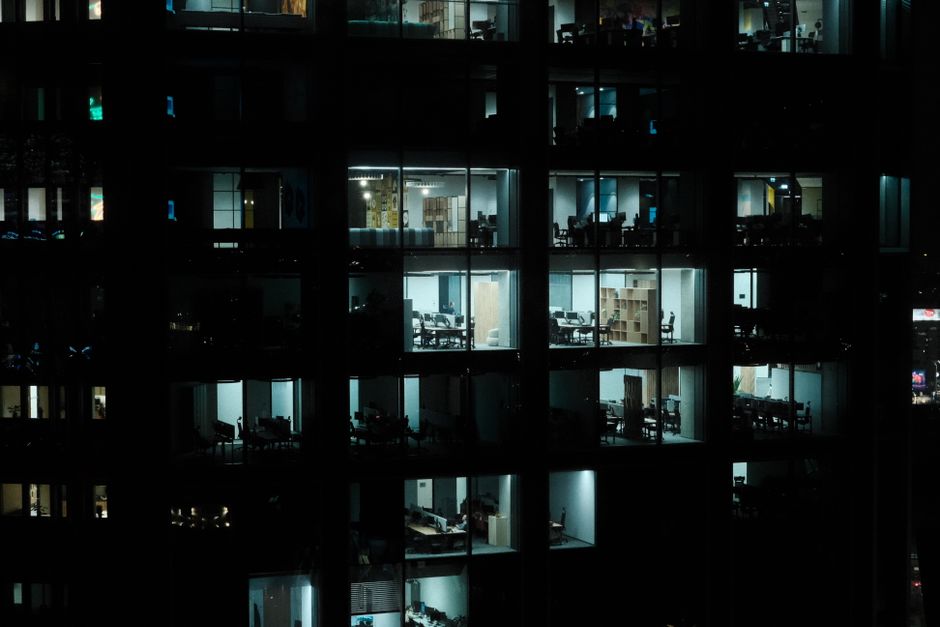
On the ground, the evidence is visible in two Warsaw postcodes above all others. The Wola district — anchored by the gleaming towers along Aleje Jerozolimskie and the redeveloped Fabryka Norblina complex on Żelazna Street — has absorbed the bulk of new office lease signings since January. Real estate advisory firm Cushman & Wakefield recorded roughly 187,000 square metres of new office take-up across Warsaw in Q1 2026 alone, with Wola and the adjacent Centrum district accounting for nearly 60 percent of that total. Meanwhile, the Mokotów technology park corridor, stretching south from Wilanowska metro station, has seen a cluster of semiconductor-adjacent firms sign five-year leases, attracted partly by Poland's 8.5 percent corporate income tax rate for qualifying R&D entities under the IP Box regime.
Where the Money Is Coming From
Germany remains the largest single source of FDI into Warsaw, but its share has slipped from 24 percent to around 19 percent year-on-year as German industrial output remains constrained. The gap has been filled primarily by U.S. technology firms and, more quietly, by South Korean conglomerates expanding their European manufacturing footprints — Samsung SDI's battery component operation near the Modlin corridor being the most prominent recent example, though the firm's Warsaw headquarters presence on Marszałkowska Street has also grown by roughly 40 staff since March.
Polish domestic capital is playing a bigger role too. Bank PKO BP, the country's largest lender by assets, extended its corporate lending book by 11 percent in the first quarter, with Warsaw-based firms taking the largest slice. The Warsaw Stock Exchange's WIG20 index closed at 2,847 points on July 3 — up 14 percent year-to-date — reflecting genuine earnings growth rather than purely speculative enthusiasm. That distinction matters to analysts who remember the frothy 2021 valuations.
What Investors Are Watching Through the Rest of 2026
Three variables will determine whether Warsaw converts this momentum into durable growth. First, the National Bank of Poland's rate-setting cycle: the Monetary Policy Council is widely expected to cut its reference rate by 25 basis points at its September meeting, which would ease borrowing costs for mid-sized Polish firms currently paying between 6.2 and 7.4 percent on new corporate credit. Second, EU cohesion fund disbursements — Poland is entitled to draw down roughly 76 billion euros from the 2021-2027 framework, and the pace of absorption directly feeds construction and infrastructure contracts awarded to Warsaw-region companies. Third, the labour market. Unemployment in Warsaw sits at 2.1 percent, the lowest rate in any EU capital, which keeps wages rising and forces firms to compete hard for skilled workers.
For businesses considering Warsaw as a base or expansion point, the practical takeaway is straightforward: entry costs remain lower than Prague or Budapest for prime office space — Grade A rents in Wola average around 22 euros per square metre per month against 26 euros in central Prague — but that gap is narrowing. Companies that locked in long leases in 2024 and 2025 are already sitting on relative bargains. Those still on the fence should note that the city's Służewiec Biznesowy zone, once dismissed as an overcrowded corporate ghetto, is midway through a 600-million-zloty regeneration programme due for completion in 2028. The window for favourable terms there is closing faster than many executives realise.