culture
Summer in the Capital: What visitors should know and the must-see highlights
As July temperatures climb, Warsaw’s creative sector shifts its focus to unconventional stages and midnight performances.
3 min read
Updated 2 h ago
culture
As July temperatures climb, Warsaw’s creative sector shifts its focus to unconventional stages and midnight performances.
3 min read
Updated 2 h ago
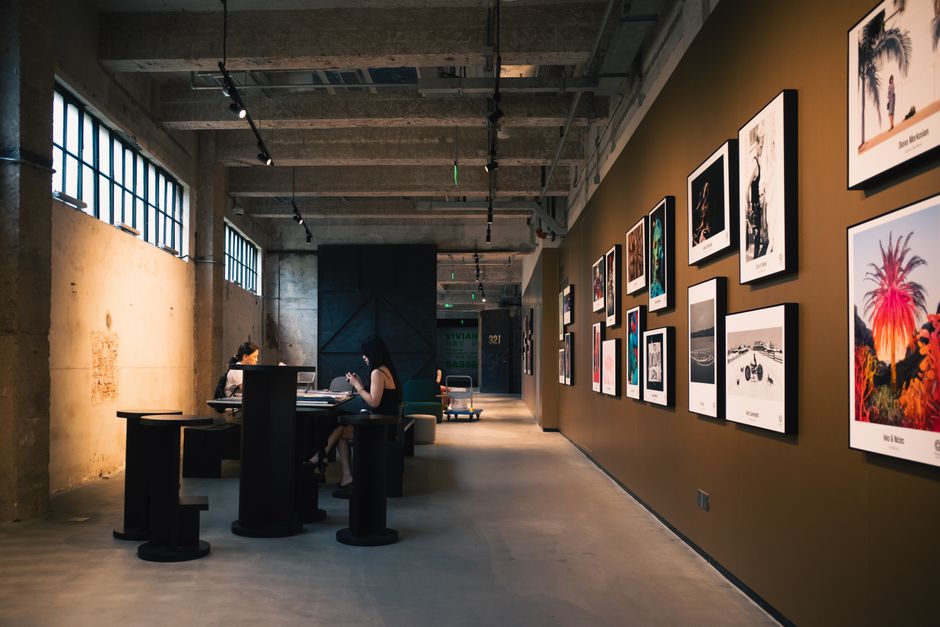
Warsaw’s artistic pulse has moved outdoors this July, abandoning the city’s traditional black-box theaters for the courtyards of Praga and the expansive riverbanks of the Vistula. While international headlines focus on the political shifts in Lima or the funeral processions in Tehran, the local arts scene is currently defined by the 'Letnie Sceny' initiative, which has officially greenlit 42 pop-up performance spaces across the city through August 31.
This decentralization is a response to the city’s stifling heatwave, which has seen temperatures linger above 32 degrees Celsius, making mid-day indoor performances at institutions like the Teatr Wielki untenable for extended programming. By shifting toward dusk-centered programming, curators are drawing the largest crowds to venues that were historically overlooked or abandoned during the post-industrial transition of the early 2000s.
For those visiting this week, the epicenter of the avant-garde has undeniably settled in the repurposed warehouses of Ząbkowska Street. The Warsaw Art Pavilion, working in tandem with the Museum of Praga, has launched a series of immersive sound installations that run until 2:00 a.m. nightly. It is a stark contrast to the rigid, subscription-based model that dominated the cultural calendar here a decade ago. The focus now is on accessibility; most of these open-air events require no entry fee, though reservations are recommended via the City Culture Portal.
If you prefer music over theater, the 'Bulwary Wiślane' district remains the primary gathering point. The municipal budget allocated 4.8 million PLN to revitalize the boardwalk acoustics this spring, a move that is paying off as jazz ensembles now perform directly on the water’s edge near the Copernicus Science Centre. Data from the Warsaw Tourism Board indicates that foot traffic in the Powiśle district has increased by 14% compared to the same period in 2025, largely driven by these night-time cultural programs.
Visitors should be aware that the city’s cultural infrastructure is currently operating on a split schedule. While established institutions like the Zachęta National Gallery of Art maintain their standard 10:00 a.m. to 8:00 p.m. hours, the most vibrant art is now happening after the sun sets. I recommend prioritizing the 'Nocny Market' at the old Główny railway station platform; it has evolved from a simple food hub into a legitimate incubator for local visual artists who utilize the rusted tracks and industrial scaffolding as rotating gallery space.
Transportation remains the easiest way to bridge the distance between the historic Old Town and these fringe venues. The WTP (Warsaw Public Transport) has extended its weekend metro service until 3:00 a.m. through the end of the summer season to accommodate the post-performance rush. Keep a copy of the 'Warsaw Cultural Map' on your mobile device—available for download via the city’s official website—as schedules for the outdoor stage in Królikarnia Park change daily based on wind conditions and humidity levels. Pack light, keep a bottle of water on hand, and plan to be awake long after the streetlights flicker on at 9:30 p.m.
About this article
Published by The Daily Warsaw
Spread the word
Daily brief
Free, in your inbox before 7am. Weekdays.
The Daily Network — local news across Australia