Neon Dreams and Brutalist Beats: How This Summer’s Program Is Defining Warsaw’s Cultural Identity
From the revitalized riverbanks of the Vistula to the experimental galleries of Praga, Warsaw is shedding its historical shadow for a bold, multidisciplinary identity.
This article was generated by AI from the linked public sources. The Daily Warsaw is independently owned and covers Warsaw news free from advertiser or sponsor influence. Read our editorial standards →
Warsaw is currently experiencing its most densely packed July arts season since the post-pandemic revival, shifting the city's cultural focus away from traditional museum curation toward immersive, site-specific installations. Over the past week, the municipal Department of Culture reported a 14% uptick in ticketed admissions for alternative performance venues compared to the same period in 2025.
The Reclaiming of Post-Industrial Spaces
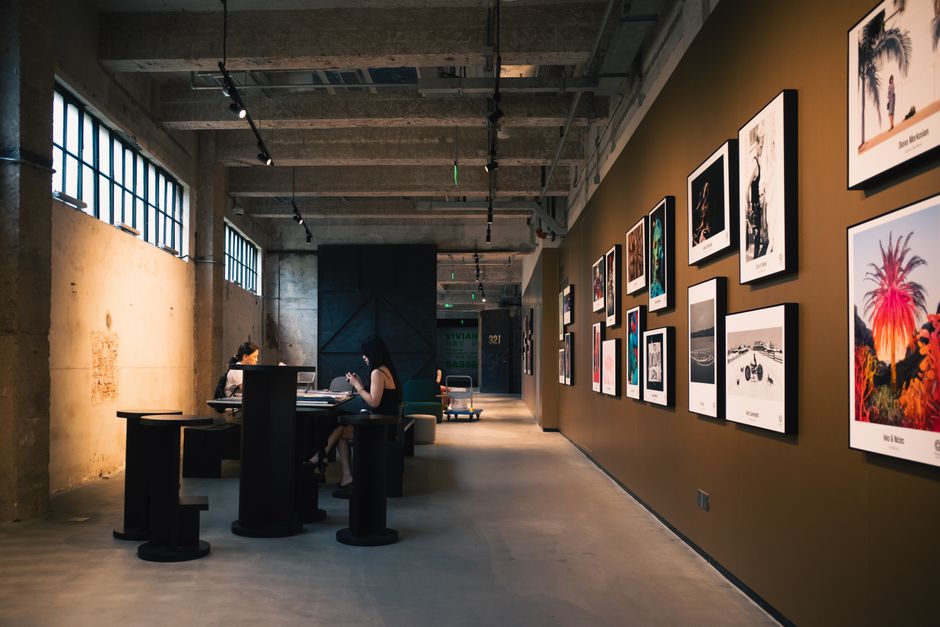
The city's identity is no longer being defined by its historical reconstruction but by how it inhabits its scars. Nowhere is this more apparent than in the Wola district, where the former Norblin Factory has become the epicentre for the 'Techno-Art' movement. The current exhibition, featuring digital mappings projected onto the site’s 19th-century metal-casting machinery, draws an average of 1,200 visitors nightly. By utilizing these industrial shells, local curators are forcing a dialogue between the city’s complex manufacturing past and its aspirations as a hub for European digital art.
Across the river, the Praga district remains the beating heart of this transition. At the Soho Factory, the local collective known as 'Studio 101' has launched a series of soundscapes that synthesize archival audio from the 1950s with modern ambient synthesis. This move toward acoustic archaeology signifies a shift in how young creators in Warsaw are engaging with their urban landscape; they are no longer just observing the city, but actively re-composing it.
Economic Stakes and Artistic Independence
The financial realities of this cultural expansion are clear. The Warsaw City Council recently allocated 4.8 million PLN toward the 'Creative District Grant' program, specifically targeting venues in the Targówek and Praga-Północ neighbourhoods. Entry fees for these independent showcases generally hover between 35 and 60 PLN, a price point deliberately kept low to ensure the demographic remains young and local rather than purely dependent on the volatile summer tourism market. Data from the Warsaw Tourism Bureau confirms that 62% of attendees at these experimental festivals identify as city residents, bucking the trend seen in other European capitals like Berlin or Prague, where summer arts are often dominated by international visitors.
This shift is not without its tensions. As developers push further into districts like Kamionek, the creative community is increasingly using public performances as a form of urban protest. Artists are increasingly hosting impromptu gallery openings in decommissioned tram depots along Grochowska Street, asserting that the city's cultural identity must be rooted in accessible, non-commercial spaces. If you are planning to engage with the city’s pulse this month, skip the standard tourist routes. Head to the embankment at the Poniatowski Bridge on a Friday evening, where the intersection of street performance, pop-up cafes, and live experimental audio has become the most authentic barometer of Warsaw’s new, defiant creative spirit.
Covering culture in Warsaw. This article was generated by AI from the linked sources and was not reviewed by a human editor before publishing. See our editorial standards.