Property
What Renters Can Do When Leases End Amid Tight Supply in Warsaw
Surging rents and historically low vacancy rates are leaving many in Warsaw scrambling for options as lease expirations put pressure on household budgets.
3 min read
Property
Surging rents and historically low vacancy rates are leaving many in Warsaw scrambling for options as lease expirations put pressure on household budgets.
3 min read

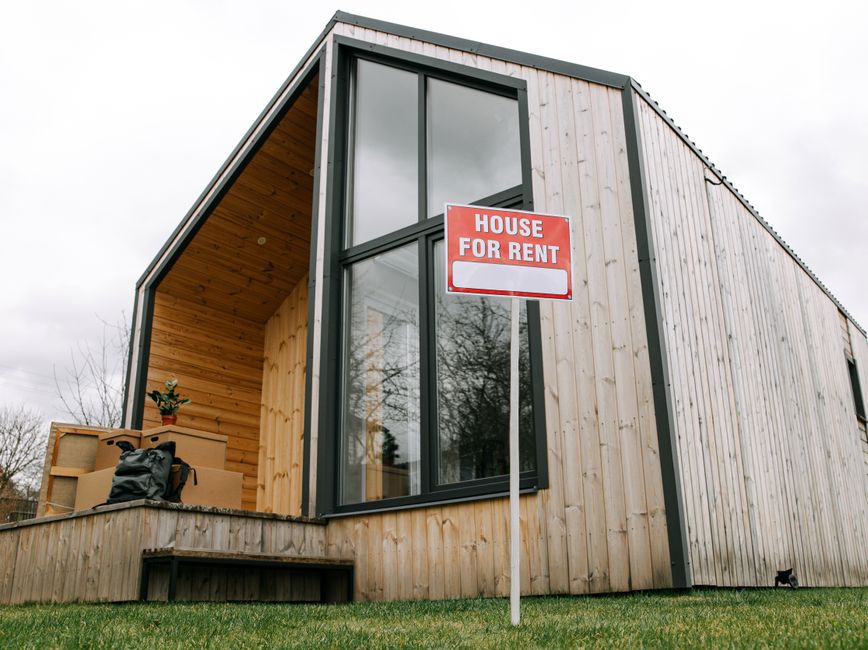
Warsaw’s rental market is hitting a breaking point this summer, with renters facing sharply dwindling options—and steeper price tags—when their leases expire. According to data from Morizon, vacancy rates across Śródmieście and Mokotów have fallen to below 2 percent, a level not seen since 2021. Many tenants now find themselves caught between landlords demanding higher rent and a dearth of available units in central districts.
Tight supply is no longer just a trend—it’s a daily reality. Population growth, ongoing inward migration, and a boom in buy-to-let investment have pushed demand for apartments far above available stock. This is especially painful now, with the highest number of lease renewals typically falling during the summer, and several institutional landlords—such as Resi4Rent—tightening rental criteria. Those relying on expiring 12-month leases are realising that negotiation power has all but evaporated.
Major arteries like Aleje Jerozolimskie and the neighborhoods around Pole Mokotowskie are prime hotspots for the current crunch. At the property agency Hamilton May, staff describe queues of would-be tenants at open viewings, with two-bed flats near the Vistula fetching up to 7,500 zł per month—nearly 1,000 zł higher than last summer. Even further out in Służew, a standard 40m² flat routinely rents for 4,000 zł, straining the budgets of young professionals and families alike. Institutions like Warsaw University have reported delays placing international students in nearby rental accommodation, further squeezing availability.
Recent figures from the Warsaw Municipal Housing Bureau show that applications for public rental support rose 18% year-on-year in the first quarter of 2026. Meanwhile, analysts at Otodom report citywide rent inflation of 11% over the last 12 months—double the forecast at the start of the year. Perhaps most tellingly, the average time a typical two-room flat remains listed in desirable districts such as Nowolipki or Powiśle has dropped to just eight days.
Given these conditions, industry experts point to practical steps for tenants caught at the end of their lease. First, negotiate directly with your landlord before the contract expires—some are willing to accept smaller increases to retain reliable tenants. For those unable to secure renewal, expanding the search radius beyond central Warsaw to areas like Ursus or Włochy may yield better deals, though longer commutes are inevitable. Demand for shared accommodation is also rising, with co-living operators such as Mzuri Co-Living reporting full occupancy as renters look to split rising costs.
Another route is to join waitlists for city-backed affordable rental schemes. The Warsaw Affordable Housing Programme, managed by TBS Warszawa Południe, currently has over 2,000 active applicants, and while waiting times are long, the rents are subsidized—typically 20-30% below market rates. Finally, short-term rental platforms like RentPlanet are seeing an uptick in demand as tenants use bridging stays to buy time before committing to a new long-term contract.
As Warsaw’s hot rental summer continues, experts say the key for renters is to act early, remain flexible, and use every available channel—including housing portals, local agencies, and social media groups—to find the rare openings before the city’s influx of students and young professionals stakes their claim.
Property

Property
Property
Property
About this article
Published by The Daily Warsaw
Spread the word
Daily brief
Free, in your inbox before 7am. Weekdays.
The Daily Network — local news across Australia