Property
How Much Rent is Too Much? The 30% Rule in Practice
As rents climb across Warsaw, tenants and buyers alike grapple with the old advice: should housing costs really stay below a third of your income?
3 min read
Property
As rents climb across Warsaw, tenants and buyers alike grapple with the old advice: should housing costs really stay below a third of your income?
3 min read
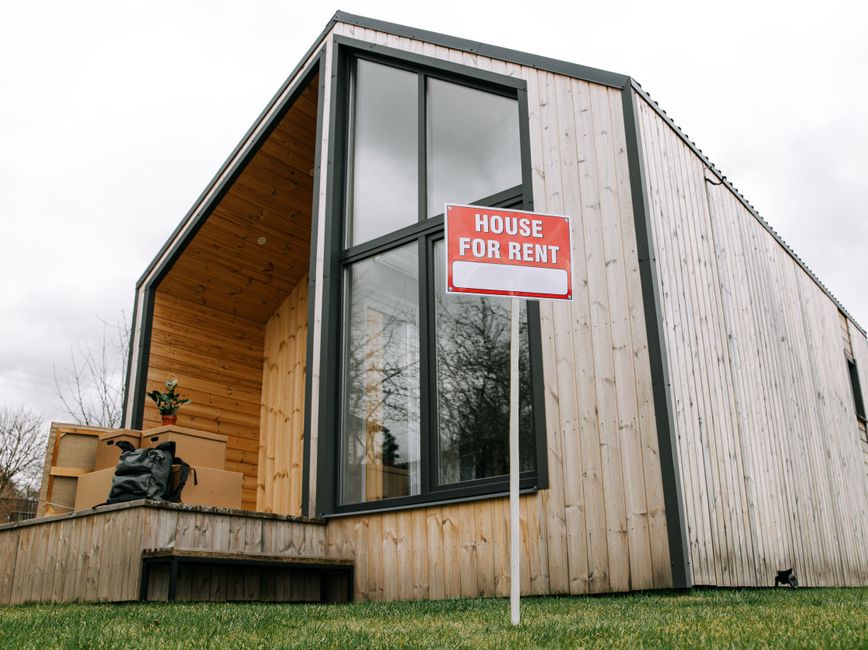
Warsaw’s median rent for a two-room flat has climbed above 3,700 PLN a month, putting pressure on residents who try to keep to the long-touted 30% affordability rule. Many locals are finding this threshold harder to maintain, especially as rising costs run ahead of wage growth and the city’s buying market remains competitive.
The question of rent affordability is under the spotlight this summer as inflation in Poland steadies but property prices remain high. With extreme heat waves in Western Europe and a tight housing market at home, more Varsovians are considering whether to rent or buy—and wondering just how much of their pay should go to housing. Increased interest from Ukrainian refugees, the launch of government programs like Bezpieczny Kredyt 2%, and a surge in short-term rentals near hotspots like Plac Zbawiciela have all contributed to a citywide squeeze.
On central streets like Koszykowa and Sienna, advertised rents for one-bedroom apartments easily hit 4,000 PLN, excluding utilities. Even in outlying Ursus or Bródno, agents report rents rising above 2,700 PLN for similar units. According to data from Otodom, one of Poland's biggest real estate platforms, the average rent in Warsaw rose 9% year-on-year by May 2026. This reflects both demand and a slowdown in new developments. Local non-profit Habitat for Humanity Polska, based near Aleje Jerozolimskie, warns the city’s rental vacancy rate sits near a historic low, with only 1.8% available stock at the end of last quarter.
For someone earning Warsaw’s average gross salary—about 9,100 PLN a month according to GUS (Polish Statistical Office) figures—the 30% rule means housing costs shouldn’t exceed 2,730 PLN. But that is already unrealistically low for central districts like Śródmieście or Mokotów. In Praga-Południe, one of Warsaw’s more affordable neighborhoods, typical rents for a modest studio still scrape 2,200–2,600 PLN, not including bills. For a family seeking two bedrooms, options under 3,500 PLN are scarce. Many young professionals push past 35% of their income, especially when factoring in fees and utilities.
Some, frustrated with escalating rents, are weighing the costs of buying despite high entry barriers. Warsaw's average price for a 50-square-meter flat now stands at 16,600 PLN per meter, according to data from NBP (National Bank of Poland), pushing buyers into long-term mortgages. Government schemes like Mieszkanie na Start have helped only a fraction of aspiring entrants, with just over 900 approvals in Mazowieckie this year.
Financial planners at Centrum Doradztwa Finansowego near ulica Marszałkowska advise clients to calculate housing outlays, including utility bills, deposits, and repairs, before committing to any rent or loan. For many tenants, sharing accommodation—common in student-heavy areas like Powiśle or Ochota—remains the only way to stay near the 30% threshold. Experts suggest that households spend time on budgeting exercises, as even a small overextension on rent can erode savings quickly given Warsaw’s current grocery and transport costs.
For those priced out or caught between renting and buying, the city’s social housing lottery offers little hope, with waiting lists stretching years. As rents continue to run ahead of wage growth, the 30% rule remains more of a benchmark than an achievable standard for many. Housing advocates expect pressure on the city council and private landlords to ease only if significant new supply hits the market—something not expected before 2027. In the meantime, Warsaw renters should scrutinize every lease, stay alert for subsidies, and, when possible, negotiate longer contracts to lock in rates in an uncertain market.
Property
Property
Property
Property
About this article
Published by The Daily Warsaw
Spread the word
Daily brief
Free, in your inbox before 7am. Weekdays.
The Daily Network — local news across Australia