Property
How Much Rent Is Too Much? The 30% Rule in Practice for Warsaw
A look at what Warsaw’s renters really pay, and why the classic affordability rule is under stress in the city’s most popular areas.
3 min read
Updated 1 h ago
Property
A look at what Warsaw’s renters really pay, and why the classic affordability rule is under stress in the city’s most popular areas.
3 min read
Updated 1 h ago
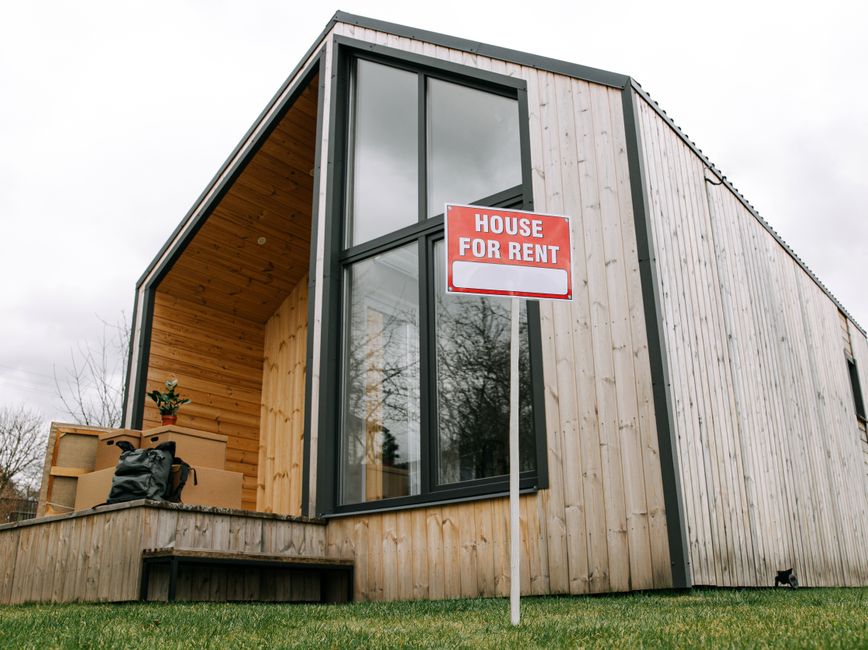
On Chmielna Street in central Warsaw, new listings for a one-bedroom flat now routinely ask for 4,500 zł per month—meaning any resident earning less than 15,000 zł monthly is technically exceeding the classic "30% rule" for housing costs. The guideline, a staple of personal finance advice, suggests no one should spend more than a third of their income on rent. Yet as rents rise faster than wages in many Warsaw neighbourhoods, this threshold is increasingly hard for young professionals, students and families to observe.
The issue is no longer theoretical. Since 2022, Warsaw’s rental market has moved from hot to overheated. An influx of Ukrainians since the war, pandemic-era shortages of construction materials, and the slow churn of new apartments have driven median rental prices up by nearly 40% in three years, according to the property analytics firm Otodom. For many, evaluating just how much is too much has become an urgent monthly reality check.
At the heart of the city, in Śródmieście, a standard 50-square-metre apartment now fetches between 4,500 and 6,000 złotys per month, local agency Partner House Wawa confirms. Even a compact studio near Politechnika Metro Station—popular with recent graduates—starts at 3,100 zł. For comparison, the average Warsaw net salary in May 2026 comes in at roughly 7,500 zł, according to GUS statistics. Anyone paying above 2,250 zł for rent has crossed the 30% line, which in practice means only shared rooms or dated studios in outer Wola or Praga-Północ.
Developers hoped new private student dorms in Wilanów and fresh government-backed units in Białołęka would take pressure off renting prices. But the supply lags demand: in 2025, the city issued 10% fewer residential building permits than the previous year, and Otodom’s June 2026 report lists only 2,430 flats available for long-term rent in all Warsaw—down from 4,100 two years prior. With competition this fierce, many renters admit they have little choice but to bust the budget.
Industry insiders at Warsaw’s rental platform Morizon.pl recommend would-be renters calculate their personal maximum: subtracting all essentials and setting a hard ceiling for housing before flat-hunting. City housing advocates remind residents of local support programs, like Miejski Zarząd Lokali Komunalnych, which manages social flats for eligible low-income tenants. But these are in high demand and short supply. Experts also urge caution about signing long-term leases with steep annual adjustments, a common cause of affordability shocks.
With rents unlikely to drop significantly in the city’s core, some renters are exploring co-living flats in Powiśle or Mokotów to split costs, or commuting from more affordable districts such as Wawer. For those weighing whether to jump into ownership, monthly mortgage payments for a 65m² flat near Plac Wilsona now typically start at 5,700 zł—meaning that for many, buying is still out of reach. For now, strict budgeting and creative sharing arrangements look set to be the new normal for Warsaw's renters facing the hard maths of the 30% rule.
About this article
Published by The Daily Warsaw
Spread the word
Daily brief
Free, in your inbox before 7am. Weekdays.
The Daily Network — local news across Australia