Property
What Warsaw’s Build-to-Rent Developments Really Offer Tenants
Purpose-built rental blocks are spreading fast in the capital, but are they a smart option compared to buying?
3 min read
Updated 1 h ago
Property
Purpose-built rental blocks are spreading fast in the capital, but are they a smart option compared to buying?
3 min read
Updated 1 h ago
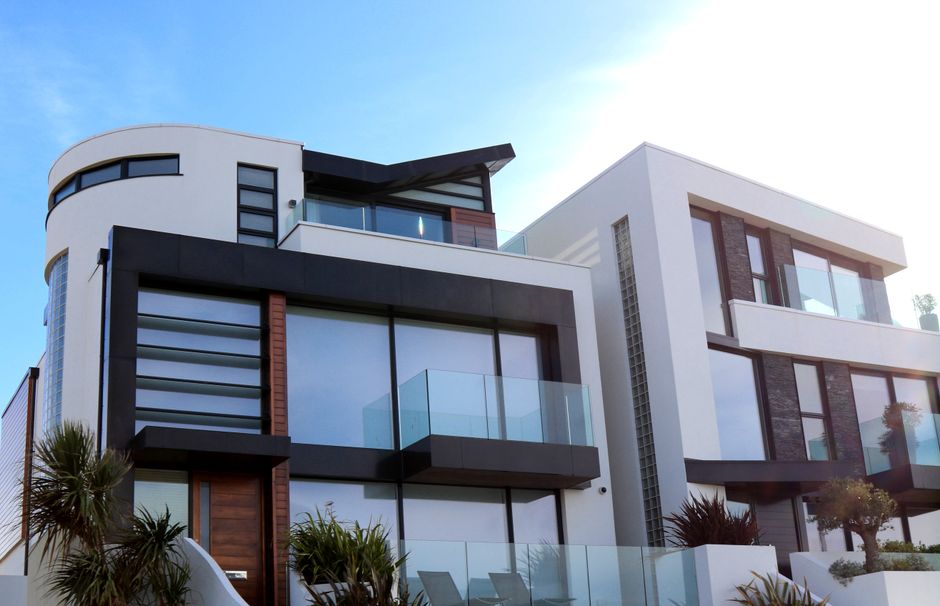
At the intersection of Grzybowska and Karolkowa, a new shadow has fallen over Wola: the 17-storey Resi4Rent tower, Warsaw’s latest build-to-rent (BTR) complex, opened for tenants last month. Within days, its 220 studio and two-bedroom units were nearly fully let, underscoring the city’s intense demand for high-quality rentals—and fueling fresh debate about whether these purpose-built rentals or home ownership now make better financial sense for Warsaw residents.
This surge in professionally managed rental properties isn’t a niche trend. With Warsaw’s property prices up 18% year-on-year according to Knight Frank, many young professionals and families are locked out of buying, particularly in central neighborhoods. Meanwhile, rent for a 45 sqm flat in Śródmieście reached 4,100 zł in June—just as new BTR sites promise stability, amenities, and flexibility to tenants who may otherwise be facing a patchwork of private landlords or hefty mortgages.
Alongside Resi4Rent’s expansion into Wola and Mokotów, Vastint’s Stay by the Park project on ul. Prądzyńskiego, adjoining Park Zachodni, has opened its 230 units with a focus on communal spaces—a gym, a co-working lounge, and even resident-organised yoga sessions. These offerings go beyond typical balconies and parking spaces. Residents enjoy on-site maintenance, package lockers, and short-term leasing options, all managed professionally instead of through individual owners. Private landlords, especially in highly sought neighbourhoods like Powiśle and Żoliborz, can’t always compete on these service extras, even as demand rises from expats and locally mobile workers.
The monthly rent for a new 1-bedroom at Stay by the Park starts at 3,900 zł including all utilities and internet, confirmed by the leasing manager this week—a figure nearly 30% higher than the citywide average for private rentals, according to Bankier.pl’s June rental index. But surveyed tenants point to stability: contracts aren’t tied to the whims of small landlords needing to sell, and annual increases are clearly stated. For prospective buyers, though, the calculation has shifted. The median sale price for a new flat in central Warsaw surpassed 18,500 zł per sqm this year (RynekPierwotny.pl), pushing the purchase of a 50 sqm flat over 900,000 zł—and that’s before factoring in 20% down payments and rising mortgage rates (now just above 8.2% according to PKO BP as of 1 July 2026).
As BTR providers plan over 2000 more units in Warsaw by 2027, tenants are asking whether it’s worth paying a premium for new, managed blocks—or if buying is still the smarter long-term play. Experts at the local housing office on ul. Marszałkowska expect further rent inflation as private supply lags behind demand, particularly in areas like Służewiec where office conversions to residential units have slowed. For now, those seeking flexibility and the predictability of long-term tenancy laws may find BTR attractive. But costs are rising fast.
Prospective tenants should pay attention to lease terms, annual increase caps (typically 4–6% in new contracts), and whether extra amenities justify the higher monthly outlay. For buyers, developers like Dom Development continue to offer off-plan incentives, but even with the government’s renewed "Bezpieczny Kredyt 2%" scheme this summer, the affordability gap is wide. The Warsaw property market isn’t getting any easier—but the choices for renters, at least, are growing far more sophisticated.
About this article
Published by The Daily Warsaw
Spread the word
Daily brief
Free, in your inbox before 7am. Weekdays.
The Daily Network — local news across Australia