Property
Suburbs Where Buying Is Now Cheaper Than Renting in Warsaw
Soaring rental demand and cooling mortgage rates shift the math in outlying areas like Ursus and Białołęka.
3 min read
Property
Soaring rental demand and cooling mortgage rates shift the math in outlying areas like Ursus and Białołęka.
3 min read
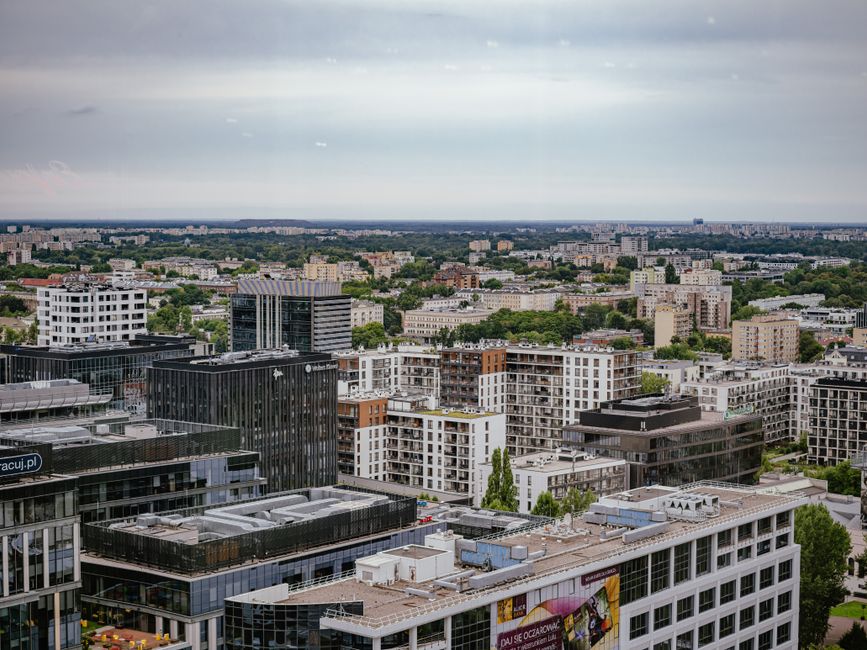
A surprising reversal is playing out across several Warsaw suburbs: for the first time in almost a decade, mortgage payments on a starter flat in neighborhoods like Ursus and Białołęka are now cheaper than median monthly rents.
This shift lands at a charged moment. Warsaw’s rental market has been sky-high since early 2023, fueled by both a post-pandemic influx and the continuing arrival of foreign workers. Tenants crowding open house viewings in places like Wola and Śródmieście have driven up lease prices—especially as corporate landlords such as Resi4Rent expand their portfolios. Meanwhile, interest rates have eased off their 2024 peaks, opening doors for first-time buyers.
Take Ursus, along ul. Posag 7 Panien. New build two-bedroom apartments there, offered by Dom Development, now go for around 690,000 PLN. With a 10% downpayment and a 30-year fixed mortgage (currently about 6.2% at Alior Bank for eligible borrowers), the monthly repayment falls just under 3,950 PLN. Yet median rents in the same block are now 4,200 PLN, according to Otodom’s July report. "I have clients who ran the numbers and realized buying simply made more sense," says a local estate agent familiar with the area’s transformed landscape.
Białołęka tells a similar story. New listings along ul. Głębocka, a stone’s throw from Galeria Północna, top out at 760,000 PLN for a 60m2 flat. A standard mortgage for that figure, after downpayment, nets out at roughly 4,350 PLN per month—while 2026’s rent averages have climbed to 4,600 PLN, especially for units boasting underground parking and proximity to the tram lines. Developers like Ronson and Atal are quietly marketing this affordability gap in their sales pitches.
Data from NBP shows Warsaw’s average rent surged 17% year-on-year as of May, outpacing salary growth. In Białołęka, new tenant demand nearly doubled in the last 18 months—pushed by lingering post-pandemic remote work preferences and limited new rentals. Meanwhile, Poland’s Financial Supervision Authority (KNF) reports more borrowers now qualify for fixed-interest mortgages thanks to stabilizing inflation, offering predictability with monthly outgoings rarely seen just two years ago.
Analysts at ThinkCo calculate that, in Ursus and Białołęka, buyers shifting from rent to ownership could save 150-300 PLN monthly—significant in family budgets still stretched by energy and grocery inflation. For context, inner Warsaw districts like Śródmieście and Mokotów remain out of reach; buying there still means paying hundreds more each month compared to renting.
Prospective buyers weighing this suburban gap should act thoughtfully. Analysts warn that if the National Bank of Poland raises rates again by year’s end—a move hinted at in recent MPC minutes—the advantage could narrow. Still, for those eyeing a starter flat in the suburbs, 2026 could be the rare window where buying is the budget-savvy play. Worth checking with trusted mortgage brokers and tracking fresh listings on Otodom and Morizon weekly, as demand shows no sign of cooling in these rapidly growing areas.
Property

Property
Property
Property
About this article
Published by The Daily Warsaw
Spread the word
Daily brief
Free, in your inbox before 7am. Weekdays.
The Daily Network — local news across Australia