Wellness
Fermented Foods Warsaw: Local Gut Health Guide
Discover Warsaw's fermented food scene: probiotics at Hala Mirowska, traditional brine barrels in Praga, and where to buy kefir for better gut health.
4 min read
Updated 4 h ago
Wellness
Discover Warsaw's fermented food scene: probiotics at Hala Mirowska, traditional brine barrels in Praga, and where to buy kefir for better gut health.
4 min read
Updated 4 h ago
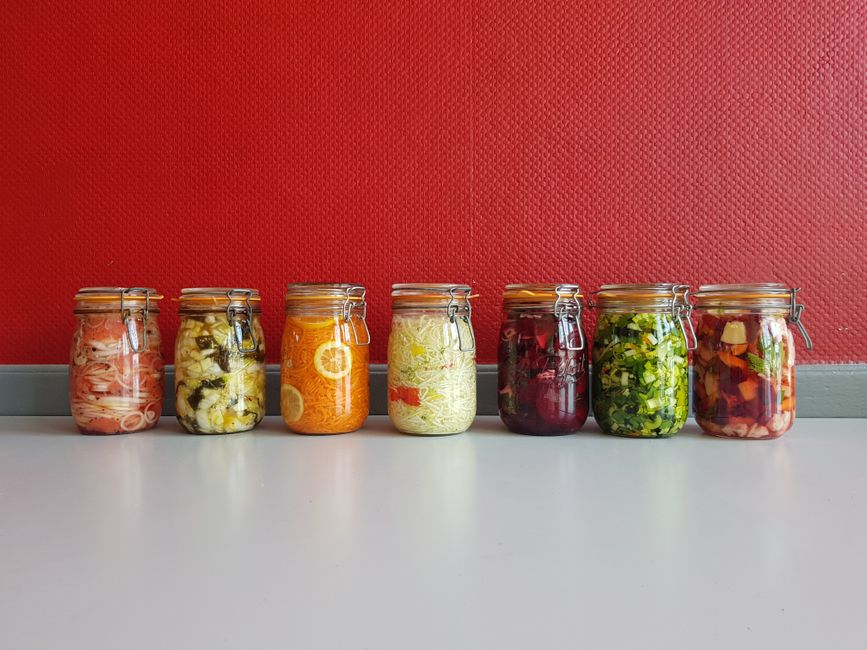
Poland has been fermenting things longer than it has had a capital city. Warsaw's markets, delis and newer health-focused shops are now stocking a wider range of probiotic-rich foods than at any point in recent memory, and dietitians across the city are fielding more questions about gut health than they were just three years ago. The renewed interest is not a fad. It is backed by a growing body of clinical research and, increasingly, by the wallets of Warsaw shoppers.
The timing matters. European researchers have spent the past decade building the case that the 38 trillion or so microorganisms living in the human gut influence everything from mood to immune response to metabolic function. A landmark 2021 study published in Cell — still widely cited in gastroenterology circles — found that a diet high in fermented foods increased microbiome diversity and lowered inflammatory markers more effectively than a high-fibre diet alone over a 10-week period. That research has trickled into general wellness culture, and Warsaw's food producers have noticed.
Start with the obvious. Kiszone ogórki — naturally fermented cucumbers, not the vinegar-pickled kind — and kiszona kapusta are Poland's original gut-health staples. The distinction matters: only the salt-brined, lacto-fermented versions contain live cultures. At Hala Mirowska on Mirowski Square in Śródmieście, vendors have sold barrel-fermented produce for generations. A kilogram of genuine kiszona kapusta runs about 8–12 zł there depending on the season, and the vendors will tell you exactly when their barrels were opened. Go early on a Saturday.
Zakwas Buraczany — fermented beetroot juice — is harder to find but worth the effort. Naturalnie Fermentowane, a small producer with a stall at Targ Śniadaniowy on Skwer Kardynała Stefana Wyszyńskiego, sells 500ml bottles for around 18 zł. The drink is deep crimson, earthy and slightly sour. It is not for everyone at first sip, but regular drinkers swear by it as a digestive morning tonic, and the iron content is a genuine nutritional bonus.
Kefir deserves its own paragraph. The fermented milk drink — originally from the Caucasus but embedded in Polish dairy culture for well over a century — is available at every supermarket, but quality varies enormously. The versions from Mlekovita and Piątnica, both Polish dairy cooperatives, are widely available and contain multiple live cultures. For something closer to artisanal, Serowarnia Autorska on ulica Mokotowska in the Śródmieście district stocks small-batch kefir and cultured butter from regional farms. A litre costs roughly 9–14 zł.
Kombucha and kimchi have moved from curiosity to corner shop in about five years. Bio-fermentownia, a Warsaw-based producer operating out of Praga-Północ, now distributes its kombucha to over 40 outlets across the city, with 330ml bottles priced between 12 and 16 zł. The company started in a single kitchen in 2020. Kimchi — the Korean fermented cabbage — has found a home at several Asian grocery shops on ulica Marszałkowska and in the Wola district, where a 300g jar typically costs 15–22 zł.
Sourdough bread also belongs in this conversation. True long-fermented sourdough, made with a live starter and given at least 12 hours of fermentation, contains residual bacterial activity and is significantly easier to digest than commercial yeast bread for many people. Chleb i Ludzie on ulica Poznańska bakes the genuine article. A 700g loaf costs around 20 zł.
Anyone looking to build a gut-friendly eating pattern should not feel obliged to overhaul their entire diet at once. Adding one fermented food per day — a glass of kefir in the morning, a spoonful of kiszona kapusta alongside lunch — is a practical starting point. Local dietitians, including those working through the NFZ-registered Centrum Medyczne Damian network in Warsaw, can provide personalised guidance, particularly for people with inflammatory bowel conditions where fermented foods require more careful introduction. The ingredients, at least, have never been easier to find.
This article was compiled by AI and screened before publishing. See our editorial standards.
Wellness

Wellness

Wellness

Wellness
About this article
Published by The Daily Warsaw
Spread the word
Daily brief
Free, in your inbox before 7am. Weekdays.
The Daily Network — local news across Australia