property
What Renters Can Do When Leases End Amid Tight Supply in Warsaw
Rising rents and a scarce apartment market are squeezing Warsaw tenants as peak move-out season begins.
How we reported this
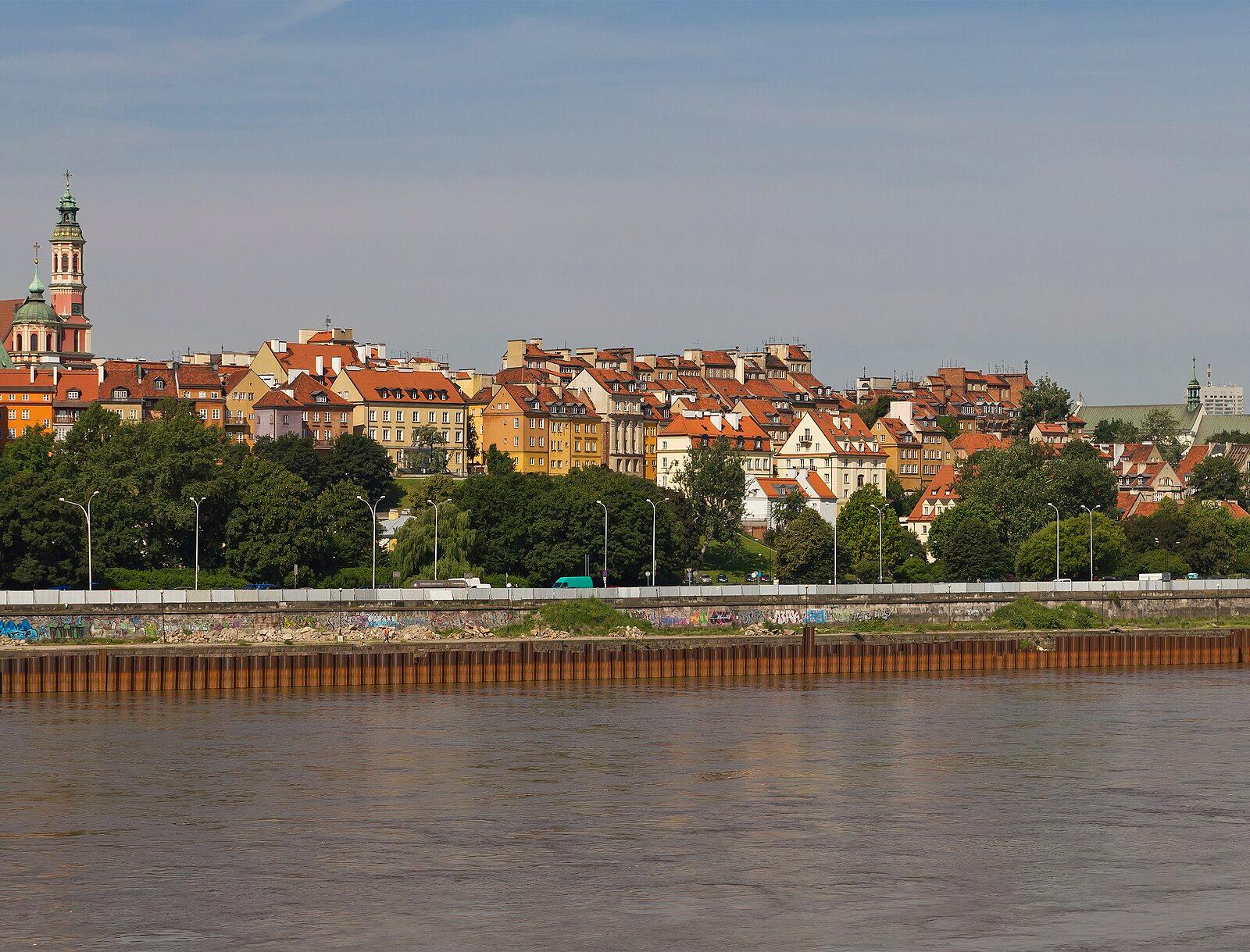
With rental listings in central Warsaw at their lowest point since before the pandemic, tenants whose leases are expiring this summer face frustration and steep costs as they search for new homes. Some are renewing at much higher prices, while others are struggling to find anything affordable between Mokotów and Praga-Północ.
Pinched Supply, Pressured Tenants
The crunch comes as Poland sees a record influx of both Ukrainian and domestic migrants to cities, alongside strong job growth and chronic underbuilding of new apartments. The rush is especially pronounced around Politechnika and Wola, where employment hubs continue to draw new residents-but newly advertised rentals have fallen by a third compared with 2023, according to listings aggregator RentierPolska.
On ulica Chmielna, where one-bedroom units fetched 3,100 złoty in early 2025, tenants now face average rents close to 3,800 złoty, said leasing managers at Agencja Mieszkaniowa Warszawa. Areas once considered fallback options, such as Targówek, are seeing double-digit annual increases. That’s pricing out teachers and junior tech workers, who could previously absorb modest upticks by simply moving two tram stops further east.
Price Data and Limited Options
Data from Otodom shows Warsaw median asking rents hit 62 zł/m² in the second quarter of 2026, up nearly 20% in just twelve months. Supply tightened sharply in Śródmieście, where some tenants report open house viewings drawing fifteen would-be renters per hour. Many landlords are only accepting 12-month contracts or longer, spooked by short-term churn, pushing short lease options increasingly closer to the airport or beyond the city perimeter.
Given the narrowed options, major firms like Morizon suggest renters act quickly: give formal notice to current landlords as late as possible, and enlist multiple agencies, including Warszawski Serwis Nieruchomości. Co-living operators such as LivUp have also reported a surge of inquiries for shared flats, offering short-term flexibility but sometimes at a premium. For tenants facing lease termination, city-run support services like Warszawskie Centrum Pomocy Rodzinie on ul. Lipowa can offer advice or, in cases of acute need, temporary housing referrals.
If unable to renew or secure a market-rate flat, some renters are pivoting: accepting rooms in multi-tenant dwellings, trying further afield in Ursus or Bielany, or seeking digital nomad-friendly policies that allow for more frequent moves between available short stays. While buying remains out of reach for many-the median purchase price in Warsaw now exceeds 15,000 zł/m², per GUS figures-most realtors do not expect relief until several new housing blocks open in 2027. Until then, local agencies recommend acting decisively, preparing documents in advance, and being open to less traditional living arrangements.
This article is general information only and is not personal financial or investment advice. Consider your own circumstances and seek licensed professional advice before making financial decisions.