Property
How much rent is too much? The 30% rule in practice on the streets of Warsaw
Rising rents push Varsovians to recalculate how much of their paychecks can go to landlords, with the classic 30% threshold under pressure.
3 min read
Property
Rising rents push Varsovians to recalculate how much of their paychecks can go to landlords, with the classic 30% threshold under pressure.
3 min read
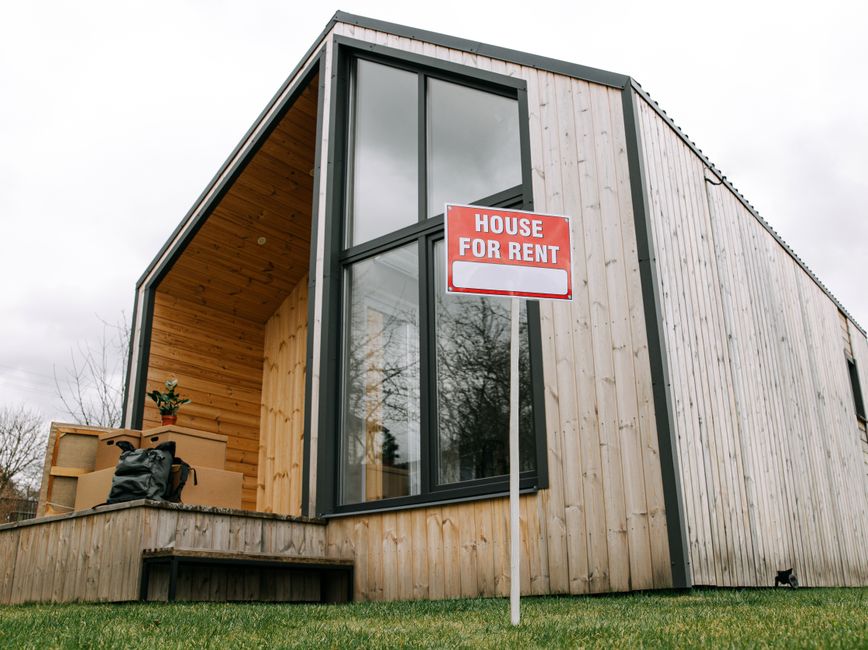
A one-bedroom flat along ul. Grzybowska now commands an average rent of 4,200 zł per month, according to June figures from Otodom. For Warsaw’s middle-income earners, that rent alone can swallow more than a third of monthly take-home pay, challenging the well-worn "30% rule" of rental affordability.
The question of how much rent is too much has gained urgency in 2026. A recent spike in both inflation and energy costs has intensified the squeeze for tenants in Śródmieście, Wola and the new build clusters of Wilanów. The backdrop is tense, with Polish officials warning of difficult months ahead as national resources are stretched.
In places like ul. Wilcza, students and young professionals search listings posted by Dom Development and big agencies such as Metrohouse. “Asking rents are up at least 11% since last summer,” says Szymon Rogowski, a manager at a mid-size real estate firm based on ul. Marszałkowska. At a kiosk inside Hala Koszyki, I met 28-year-old IT worker Paulina, who reluctantly renewed her Mokotów lease for 4,600 zł, accepting shared accommodation to keep her monthly housing costs from exceeding 40% of her take-home.
The 30% rule, a global benchmark for rental stress, says no more than a third of one’s net earnings should go toward rent. For Warsaw, where the average monthly net wage stands near 7,000 zł (according to GUS data for Q2 2026), renters paying 2,100 zł or less would stay within the guideline. But for solo renters seeking privacy in Żoliborz or convenience in Praga-Północ, advertised rents for a studio or 1-bedroom almost always start at 3,300 zł and can reach 5,500 zł.
Meanwhile, official data from the Polish National Bank show rents have outpaced wage growth by 10% since 2023. The city’s municipal rental program (Mieszkania na Start) has waiting lists in the thousands—at last count, 3,500 Warsaw families were queued for subsidised properties. Private supply, meanwhile, is hobbled by ongoing material shortages and higher landlord costs due to energy price spikes.
According to Home Broker, more than half of Warsaw renters now spend over 33% of their net salary on rent, pushing many to consider relocating to further districts like Ursus or settling for shared flats. The choice between renting and buying isn’t simple either: mortgages in July 2026 still require 20% down payment, and average prices breached 16,000 zł/m² downtown, keeping homeownership out of reach for many.
With economic headwinds likely to persist this autumn, housing advisers recommend tenants add up all fixed monthly costs—utilities, service charges, transit, food—before signing a lease that pushes rent above 30% of net income. Warsaw’s municipal ombudsman suggests considering less central districts, flexible rental terms, or co-living options to stay within budget. For those struggling to keep up, the city’s rent benefit (dodatek mieszkaniowy) remains open for applications, though eligibility depends on strict income thresholds.
For Varsovians, the 30% rule is now less a standard than a distant benchmark. As rents outpace earnings, each new lease renews the question: how much rent is too much, and what tradeoffs are sustainable in the capital’s shifting housing market?
Property

Property

Property

Property
About this article
Published by The Daily Warsaw
Spread the word
Daily brief
Free, in your inbox before 7am. Weekdays.
The Daily Network — local news across Australia