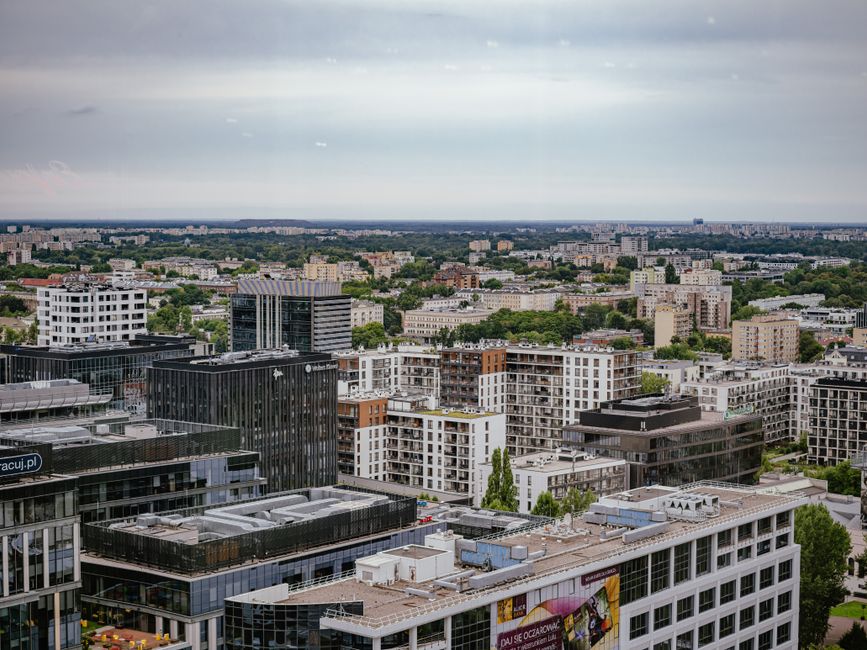
The face of renting in Warsaw is changing fast. In June, the city crossed a milestone: more than 4,000 professionally managed build-to-rent (BTR) apartments now operate across the capital, according to JLL Poland's most recent figures. These new-generation residential blocks—propped up by foreign pension funds and local developers alike—promise tenants everything from rooftop gyms to co-working lounges. Behind the gleaming amenities, the rise of BTR is putting fresh pressure on what renters are being asked to pay.
With inflation running above 5% and Poland’s central bank warning of limited room to cut rates, Warsaw residents face an old dilemma with new urgency: is there better value in renting or buying? For many, BTR’s fixed leases and furnished units offer relief from the stress of the city’s fragmented, individual landlord market. But BTR’s rents—often up to 20% higher than older flats—raise questions about who can afford to take part in the city’s new rental revolution, especially as mortgage costs have soared over the past two years.
From Żoliborz to Służewiec: Amenities—and Premiums
At Resi4Rent’s new flagship complex on ul. Powązkowska, a studio starts at 3,900 PLN per month. Just down the tram line, Echo Investment’s Browary Warszawskie lofts in Wola offer one-bed units for a minimum of 4,350 PLN. Each is stocked with high-speed Wi-Fi and a 24/7 concierge, pitching a lifestyle closer to a hotel than one of the ageing kamienicas in Stara Praga. The city’s biggest build-to-rent operators—Resi4Rent, Fundusz Mieszkań na Wynajem (FMnW), and foreign-backed Heimstaden Bostad—are clustered in transit-rich nodes like Służewiec and Mokotów, promising young professionals move-in-ready homes and lease certainty.
But the premium is significant. A recent survey by Otodom found the average rent for a private one-bedroom in Saska Kępa is 3,100 PLN, while comparable BTR units nearby command at least a 900 to 1,200 PLN monthly uplift. On the flip side, the average price per square metre for purchase in central Warsaw hit 17,200 PLN in May, with monthly repayments on a 60-sqm flat now routinely exceeding 5,000 PLN—pushing many first-time buyers off the ladder entirely.
Affordability Dilemmas and What Comes Next
Data from the National Bank of Poland underlines the pinch. The proportion of Warsaw renters spending over 40% of their post-tax income on housing jumped from 29% in 2023 to an estimated 37% this spring. Proponents of build-to-rent say it comes with perks—professional management, no surprise evictions, and maintenance teams on site. Critics argue these luxuries skew the market’s overall affordability and may set new, higher price benchmarks even in neighbouring older blocks.
Analysts from CBRE Poland forecast that by summer 2028, the city’s BTR housing stock could double to 9,000 apartments. For would-be tenants, the advice is sharp: weigh if all-in rents and flexible lease terms offset the risk of being priced out longer-term. For those hunting a traditional private rental, scouts say options in Ursynów and Bielany, further from the city centre, remain below the prevailing rates. Mortgage rates could ease later this year if Warsaw’s inflation stabilises, but most agree today’s buyers need abundant cash in reserve—or bank help from their families. In short, Warsaw’s build-to-rent boom has given tenants more choice and security, but rarely at the cheapest price in town.