Property
Regional Rental Markets Outpace Warsaw in Affordability: Latest Data Reveals Stark Contrast
Poland’s renters face sharply different realities depending on whether they live in the capital or regional cities.
3 min read
Property
Poland’s renters face sharply different realities depending on whether they live in the capital or regional cities.
3 min read

A stark divide has emerged in Poland’s housing market, with Warsaw renters now forking out twice as much for average apartments as their counterparts in cities like Łódź and Białystok, according to June 2026 figures from the National Housing Observatory.
This affordability gap is gaining urgency as extreme weather, refugee pressures, and economic uncertainty drive renewed migration into and out of the capital. With Poland’s Prime Minister warning last week of testing months ahead and energy costs climbing, Warsaw residents are feeling squeezed—while regional cities present a dramatically different picture for renters and buyers alike.
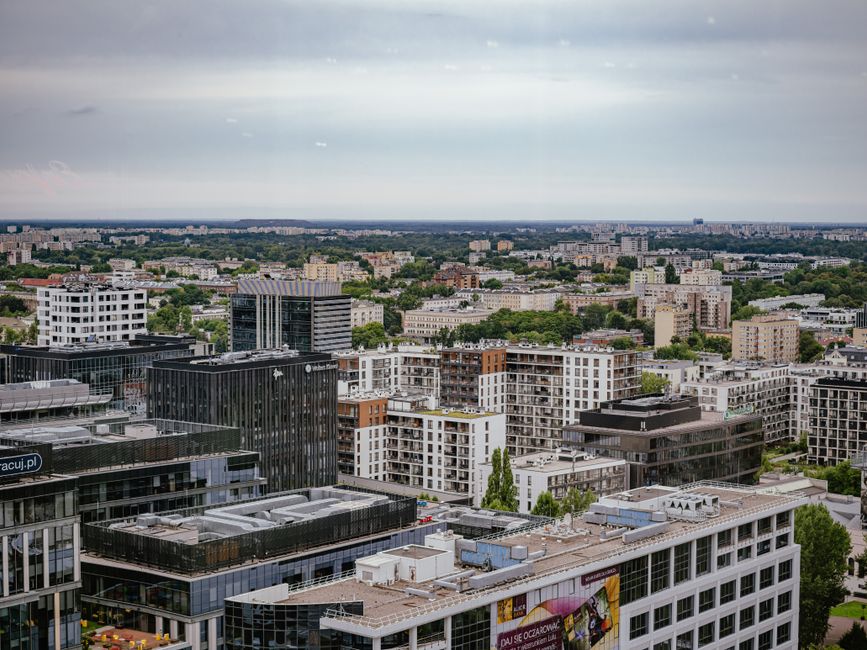
The numbers are eye-popping for anyone apartment hunting in Śródmieście or along the favoured Grzybowska passage: the median rent for a 50-square-metre flat here hit 4,390 złoty per month for June. By contrast, similar-sized flats just two hours down the S8 highway in Łódź average 2,230 złoty. In Białystok, it’s a mere 1,980 złoty, according to listing data tracked by Otodom and confirmed by the Warsaw Tenants' Association (Warszawskie Stowarzyszenie Lokatorów).
That two-fold price gap is fueling migration away from the capital among young professionals and remote workers, according to Natalia Mroczek, a board member at Locum Warsaw sp. z o.o., a property management company based near Plac Bankowy. "Our out-of-town portfolio now moves faster than new listings in Praga or Mokotów. The difference in monthly payments is simply too great to ignore," she says.
This divide isn’t just about rent. Owning a home in Warsaw now costs an average of 18,100 złoty per square metre—nearly triple the figure for central Lublin, where the average hovers at 7,400 złoty per metre, according to a report released this week by Bank PKO BP. Monthly mortgage repayments for a basic two-bedroom apartment in Wola exceed 6,000 złoty, not counting fees, while a comparable property in Poznań’s Jeżyce neighbourhood can be owned for under 3,200 złoty per month, factoring today’s 7.3% average loan rate.
Demand hasn’t cooled in the capital. Property portal Morizon reports that listings in Mokotów and Wilanów spent just 11 days on average before being leased out in June—the fastest turnover since early 2024. But the capital’s constant influx of Ukrainian and Belarusian renters, many still seeking longer-term stability following recent regional unrest, is keeping competition fierce and prices high.
Regional governments are seizing the moment: Lublin’s "Mieszkanie Plus" affordable housing program, run in partnership with PFR Nieruchomości, recently expanded its eligibility to include remote workers from across Poland. Nearly 600 new units are set to open by the year’s end, with similar schemes launched in Katowice and Wrocław since March.
For Varsovians grappling with daunting rent or mortgage bills, the migration math is becoming more tempting—especially for those able to work remotely or considering a fresh start outside Śródmieście’s shadow. Rents across key regional centres are forecast to rise by just 3% this autumn, far below Warsaw’s predicted 8% jump, according to market analysts at JLL Poland.
Experts suggest discussing relocation plans with local advisors (Doradcy Mieszkaniowi), particularly as incentive schemes and new builds roll out regionally. Meanwhile, seasoned city dwellers on Jasna Street or around Pole Mokotowskie are warning would-be leavers: weigh benefits carefully, but don’t expect Warsaw prices to drop any time soon. For renters in the capital, patience and flexibility seem the only reliable strategies for now—but the regional tide is clearly rising.
About this article
Published by The Daily Warsaw
Spread the word
Daily brief
Free, in your inbox before 7am. Weekdays.
The Daily Network — local news across Australia