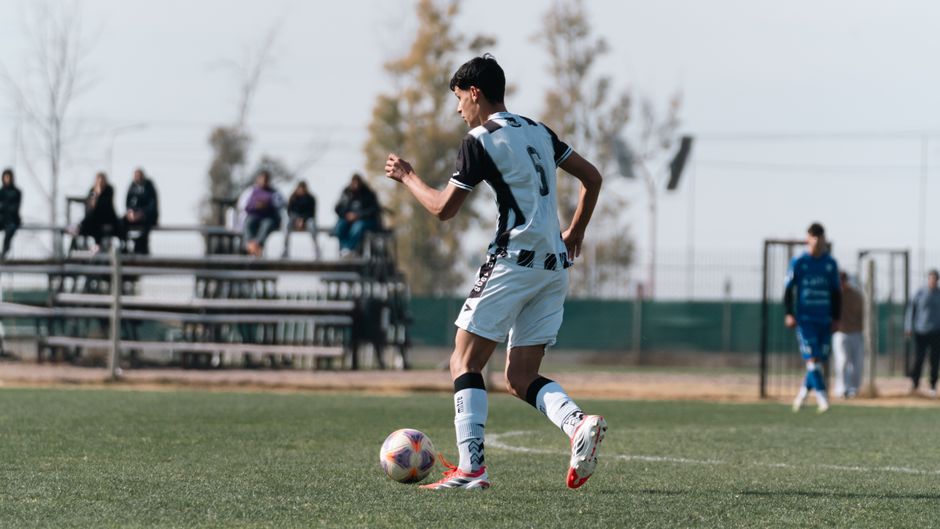
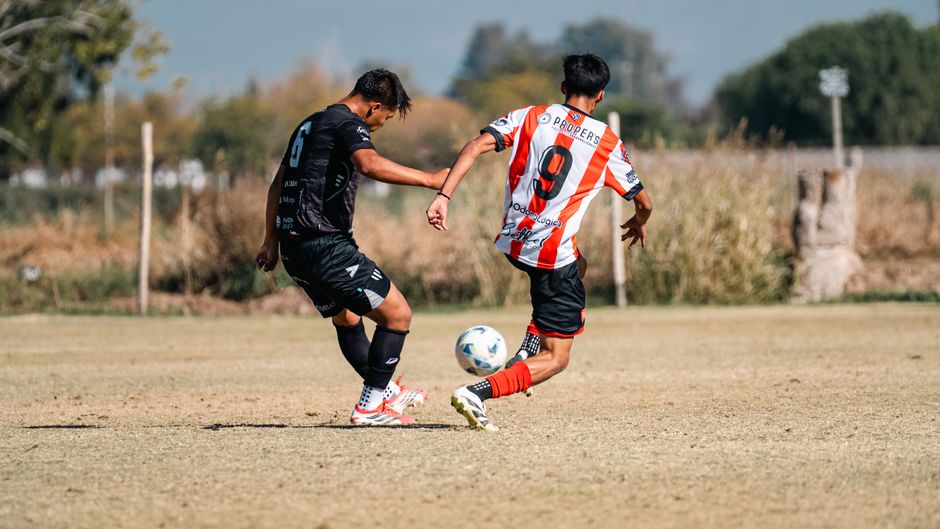
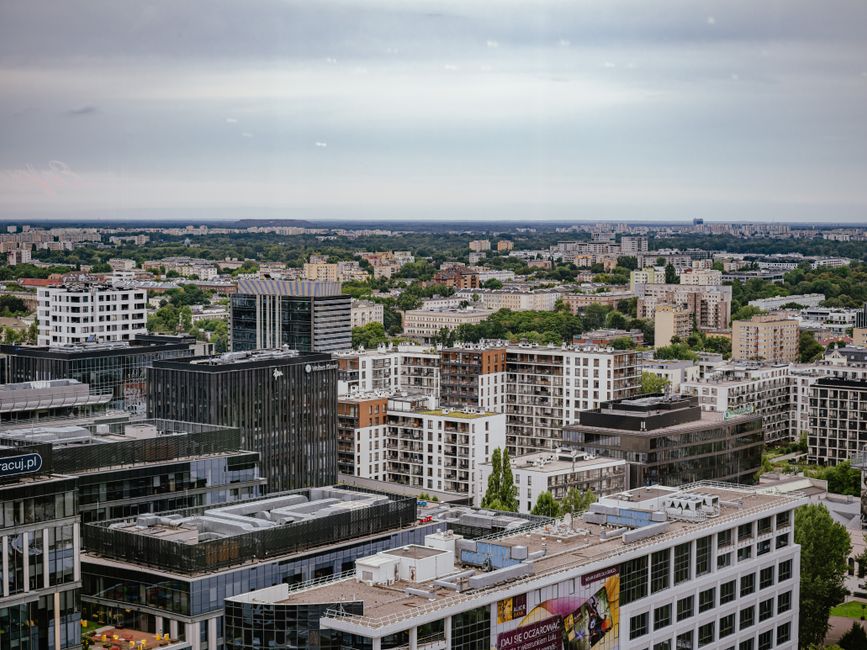
Legia Warsaw kicked off July with a 2-0 preseason win over a visiting Czech side at the Łazienkowska Stadium on Wednesday evening, drawing 18,000 fans to a friendly, a number that would be respectable for a competitive fixture in many European leagues. That attendance figure, reported by the club's ticketing office, signals something broader: Warsaw's appetite for local sport is not just holding steady, it is accelerating.
The timing matters. Poland is entering what Prime Minister Donald Tusk has called a period of heightened national vigilance given the security climate to the east, and city officials have quietly leaned on sport as social glue. Warsaw's municipal budget for community sport programs in 2026 was set at 47 million złoty, up 11 percent from 2024, and the results are showing up in registration numbers, stadium gates and neighbourhood courts across the city.
Grassroots Growth From Praga to Bemowo
The most striking growth is not at Legia's ground on Łazienkowska Street. It is happening on the other side of the Vistula. Warszawianka FC, based in the Praga-Południe district, ended its spring season in May with its women's first team promoted to the II Liga for the first time in the club's 96-year history. The club's youth academies on Konwiktorska Street now register over 600 children each season, up from roughly 380 in 2022. Coaches there have been running a Saturday morning programme called Futbol Bez Barier, Football Without Barriers, targeting children from Ukrainian and Belarusian migrant families who have settled in Praga over the past four years. About 140 children participated last spring alone.
On the basketball side, Legia Basketball's summer three-on-three league at the Bemowo outdoor courts has become one of the more unlikely social events in the city's western districts. Twelve neighbourhood teams signed up for the July edition, with games running every Thursday evening. Entry is free, and local businesses along Lazurowa Street have been sponsoring squad kits for 800 złoty a set. The district council confirmed it will resurface two of the courts before autumn at a cost of 210,000 złoty, citing increased usage data from the city's park maintenance department.
Crowds Up, Costs Managed
The financial picture for mid-tier clubs remains tight but manageable. Polonia Warsaw, competing in the I liga after last season's promotion playoff, drew an average of 4,200 fans per home match at Konwiktorska Stadium during the spring campaign, a 30 percent increase year-on-year. Season tickets for the 2026-27 campaign, which go on sale July 14th, are priced between 280 and 490 złoty, keeping them within reach of working families in Żoliborz and Bielany, the neighbourhoods that form the club's traditional support base.
Amateur weekend football is also booming. The Warsaw City League, which organises fixtures across pitches in Wola, Ochota and Białołęka, reported 214 registered teams for its 2026 summer edition, the highest figure since the league's restructuring in 2019. Many of those squads are office teams, parish clubs and migrant community sides that treat their Sunday fixtures as the week's main social event rather than a competitive obligation.
The practical upshot for Warsaw residents is that access to organised sport has rarely been wider or cheaper. The city's Aktywna Warszawa card, available at any district sports centre including the large facility on Górczewska Street in Wola, offers subsidised pool, gym and court access for 49 złoty a month for adults. Families with children under 16 get an additional 50 percent reduction.
Legia's preseason continues through July, with a home fixture against Slovenian side NK Maribor scheduled for the 19th. Warszawianka begins II Liga preparations at the Moczydło sports complex in Wola from July 7th. For anyone looking to get involved rather than just watch, the Warsaw Sports Federation is holding open registration days for autumn amateur leagues at the Siekierki sports centre on the left bank of the Vistula on July 12th and 13th.