More than 340,000 Warsaw residents held an active sports club membership or registered for a municipal fitness programme in the first half of 2026, according to figures compiled by the Mazovian Sports and Recreation Office — a 14 percent rise on the same period in 2024. The data, released quietly last week, lands at a moment when the city's flagship football club is riding a wave of renewed public interest, and when Warsaw's parks and athletics tracks are visibly busier than at any point in recent memory.
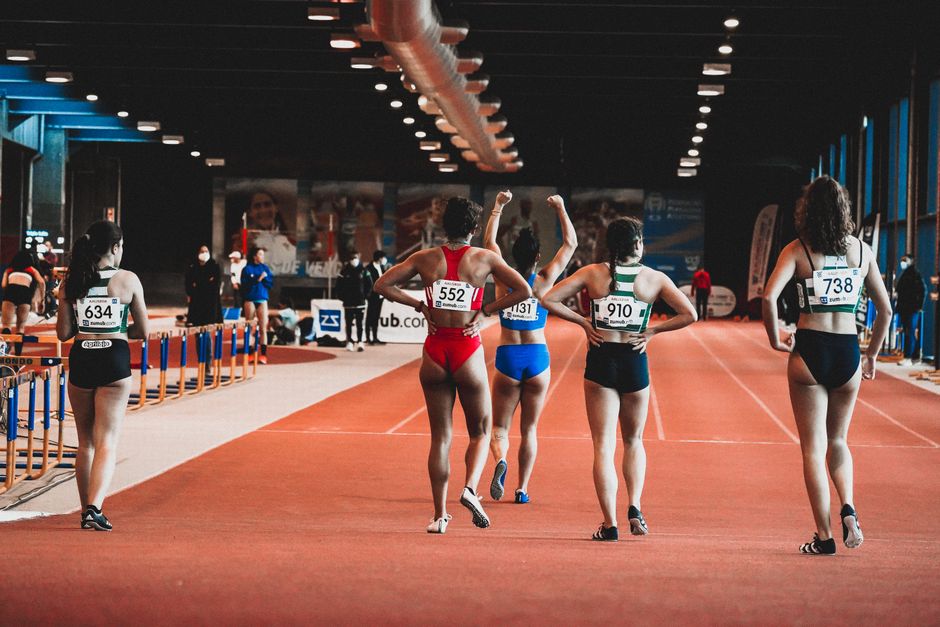
The timing matters. Poland co-hosts the 2028 European Athletics Championships alongside Berlin, and Warsaw's candidacy papers committed the city to measurable increases in grassroots participation as a precondition of hosting rights. That deadline is now looming. City Hall has poured roughly 47 million złoty into public sport infrastructure since January 2025, and officials are now watching these half-year figures closely to see whether the investment is actually changing behaviour, not just building nicer facilities nobody uses.
Legia and the Łazienkowska Effect
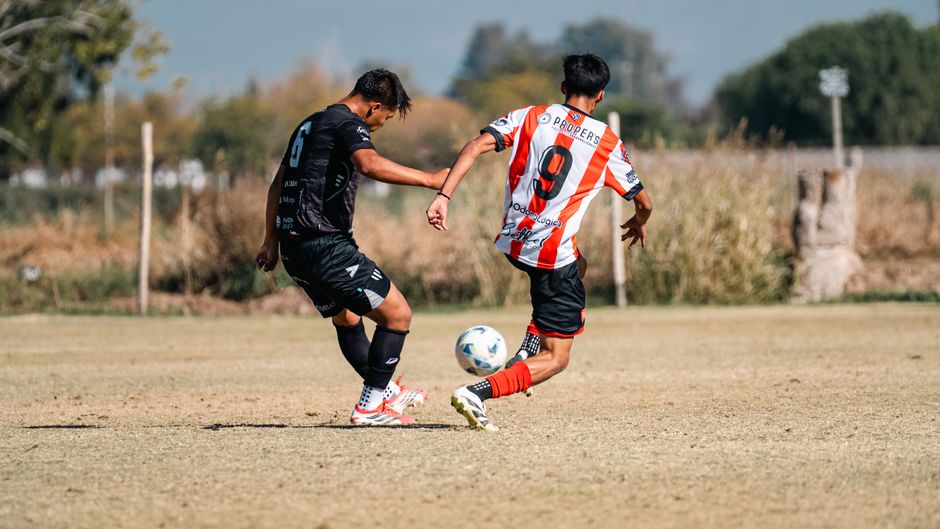
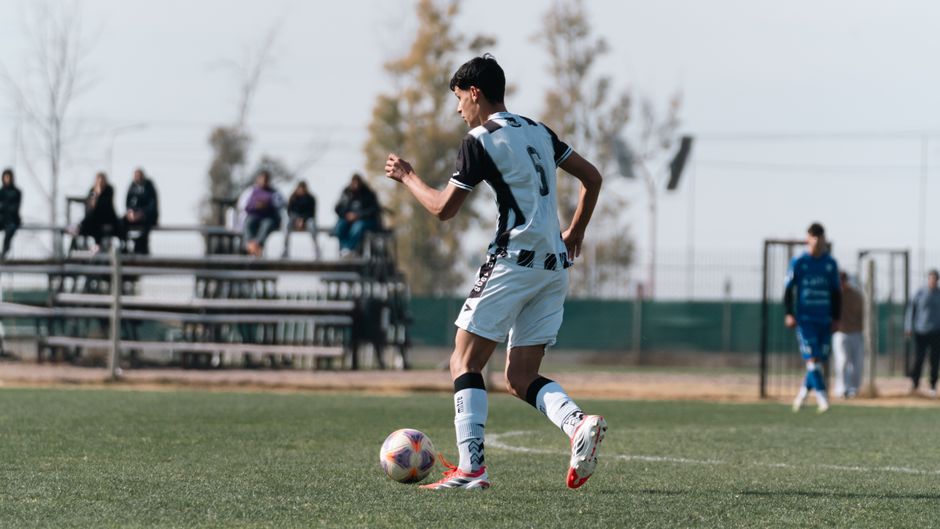
Legia Warsaw averaged 27,400 spectators per home Ekstraklasa match at Stadion Wojska Polskiego on Łazienkowska Street during the 2025-26 season, the club's highest average attendance since 2016. The figure is more than a trophy cabinet story. Sports sociologists at the University of Warsaw have documented what they call a gateway effect: sustained exposure to professional sport — going to matches, watching on screens in bars along Nowy Świat — correlates with upticks in amateur participation in the same sport within twelve to eighteen months. The local five-a-side league run by Warszawski Okręgowy Związek Piłki Nożnej registered 1,840 new adult teams in the 2025-26 season, up from 1,510 the year before.
Legia's women's section tells a parallel story. Legia Ladies, competing in the Ekstraklasa Kobiet, drew crowds to the Legia Training Centre in Książęca Street that the club's own records described as unprecedented for a women's fixture. Shirt sales for the women's squad tripled between September 2025 and April 2026. That shift in commercial interest tends to follow, not precede, broader cultural normalisation of women's sport — suggesting the sequence is already well underway in the Polish capital.
Running, Swimming and the Vistula Corridor
Football does not tell the whole story. The Vistula Boulevards between Most Świętokrzyski and Most Poniatowskiego recorded an average of 6,200 daily joggers and cyclists in June 2026, up from 4,800 in June 2023, based on automated counters installed by the city's Zarząd Dróg Miejskich. The free outdoor gym stations along the Praga riverbank, expanded in March 2026 with ten new units near Soho Factory on Mińska Street, are in near-constant use on weekend mornings.
Swimming numbers are up too. The Floating Arena on Inflancka Street — the 50-metre Olympic pool that opened in 2022 — sold 118,000 public swim tickets in the first five months of 2026, a pace that would comfortably exceed its annual record. A monthly public pass there costs 180 złoty, roughly the price of two mid-range restaurant meals in Śródmieście, which organisers argue makes it one of the more accessible serious facilities in Central Europe.
Not every indicator is positive. Participation among residents of outer districts like Białołęka and Wawer still lags the city average by roughly 22 percent, and the Mazovian data flags a persistent drop-off among men over fifty. The municipal Aktywna Warszawa programme, which subsidises gym memberships for low-income residents, processed 9,400 applications in the first quarter of 2026 but has a waiting list running into the thousands.
For anyone looking to tap into Warsaw's fitness momentum this summer, the city's Centrum Sportu i Rekreacji runs a free open-day scheme every Saturday through August at eleven sites including the Moczydło complex in Wola. Registration opens online each Monday at 8 a.m. The slots, experience suggests, go fast.