Warsaw's sport infrastructure crossed a significant threshold this summer. The city's municipal sports authority, Warszawski Sport, confirmed last month that active participation across organised club sport in the capital has risen to 340,000 registered members — up roughly 18 percent on the 2024 figure. If you've been meaning to join something, the moment is now: July and August registration windows are open across disciplines ranging from amateur football to masters-level rowing on the Wisła.
The timing matters for a practical reason. Most Warsaw clubs run their annual intake in the first two weeks of July, before pre-season training schedules solidify in August. Miss this window and you're typically waiting until September, when indoor halls fill fast ahead of the autumn leagues. The city is also midway through a 480-million-złoty capital investment programme in public sports facilities, which means new changing rooms, floodlit pitches and equipment subsidies are available at a string of venues that weren't properly functional even two years ago.
Where to Show Up First
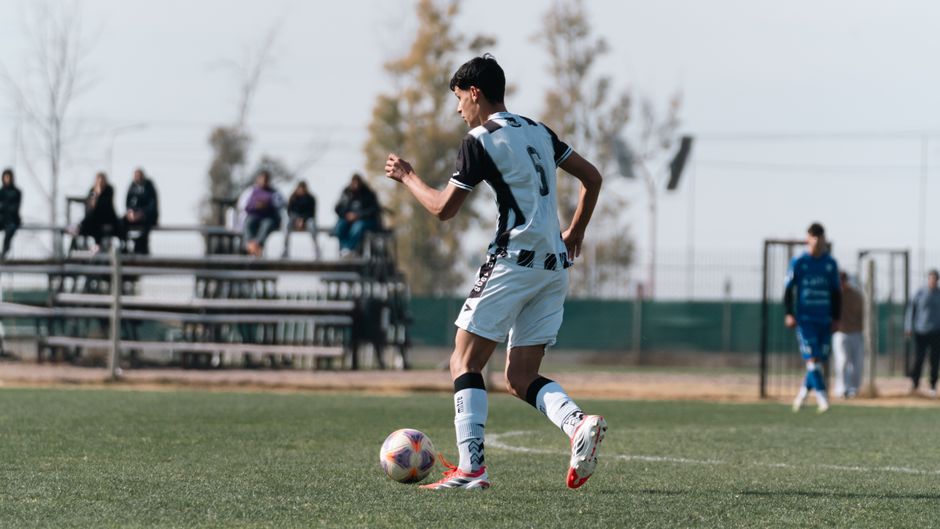
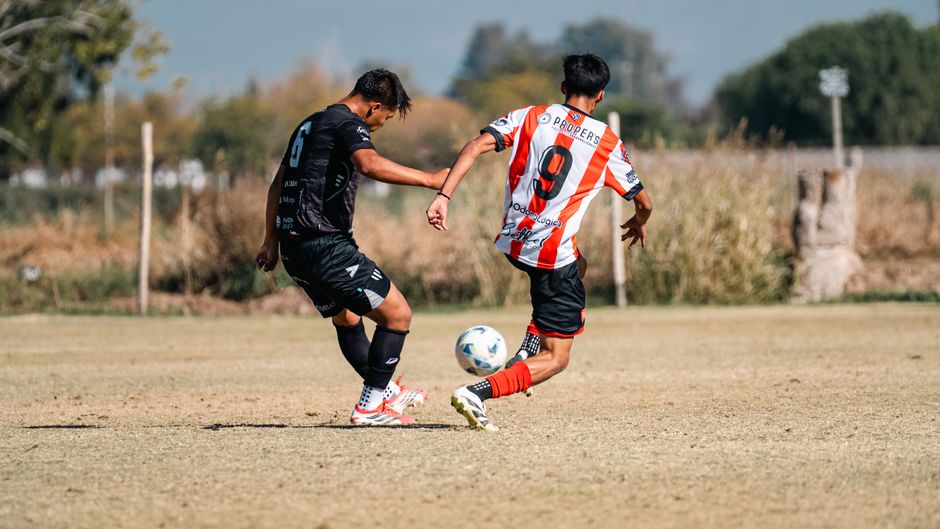
Two organisations are the most logical starting points depending on where you live. On the left bank, Legia Amateur Football runs walk-in trials every Saturday morning at the Legia training complex on Łazienkowska Street — no prior club affiliation required, and registration costs 120 złoty for the full autumn half-season. The programme, which began in 2021 with 200 participants, now fields 47 five-a-side teams across four age brackets, including a category for over-40s introduced this spring.
On the right bank in Praga-Północ, the Saska Kępa Running Collective meets three times a week at the Różycki Market car park on Targowa Street before heading into the Praga park trail network. Membership is free; the only ask is a one-off registration through the collective's app. For anything water-based, the Wisła Rowing Club — headquartered at the Bulwary Wiślane embankment near Most Świętokrzyski — accepts beginners through its eight-week Learn to Row course, which costs 350 złoty and runs its next cohort from July 14.
Basketball and volleyball players should head straight to the Torwar Arena complex on Łazienkowska, where the Warsaw Community Sports League operates a drop-in system every Tuesday and Thursday evening. Court time runs from 19:00 to 22:00, costs 25 złoty per session, and no team is required — the organisers sort players into balanced squads on the night. The league added a women's-only Thursday slot in March after demand from the Mokotów and Śródmieście districts outstripped mixed-session capacity.
What the Numbers Actually Tell You
Cost is the question most new participants ask first. A 2025 survey by the Warsaw Metropolitan Research Institute put the average monthly spend of an active club member at 180 złoty — well below the European urban average of roughly 260 złoty equivalent cited in the same report. City hall subsidises pitch hire at 14 municipal venues, which keeps affiliated club fees compressed. Children under 16 pay nothing at any municipal facility under the Mała Akademia Sportu programme, which has served over 28,000 young Varsovians since its 2023 launch.
Cycling has its own entry route. The Velo Warsaw urban cycling club organises free guided rides departing from Plac Zamkowy in Stare Miasto every Sunday at 8:00, with routes rotating between the Kampinos forest edge, the Wilanów palace loop and the Praga industrial heritage trail. The club registered its 5,000th member in June.
The practical advice is simple: pick one venue this weekend, show up, and ask for the registration sheet. Warsaw's clubs are actively recruiting right now, fees are lower than in comparable Central European capitals like Prague or Budapest, and the subsidy programmes mean cost should not be the barrier it once was. The city's sports directorate publishes a full club directory at sport.um.warszawa.pl, updated as of July 1, with contact details, session times and fee schedules for every affiliated organisation.